
A fascinating window on more than 10,000 years of Nevada’s history, through the lives of the Paiute people.
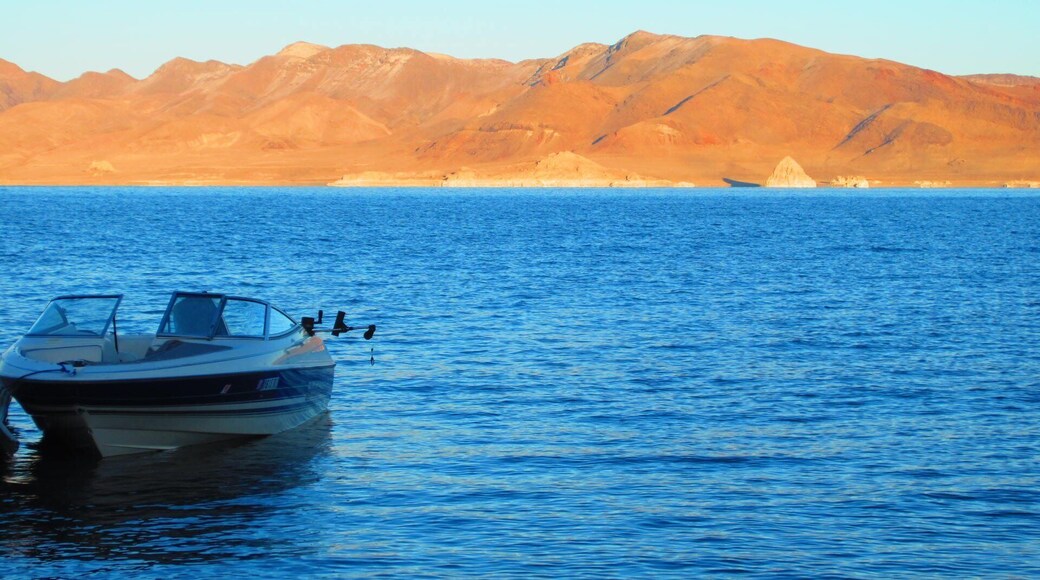
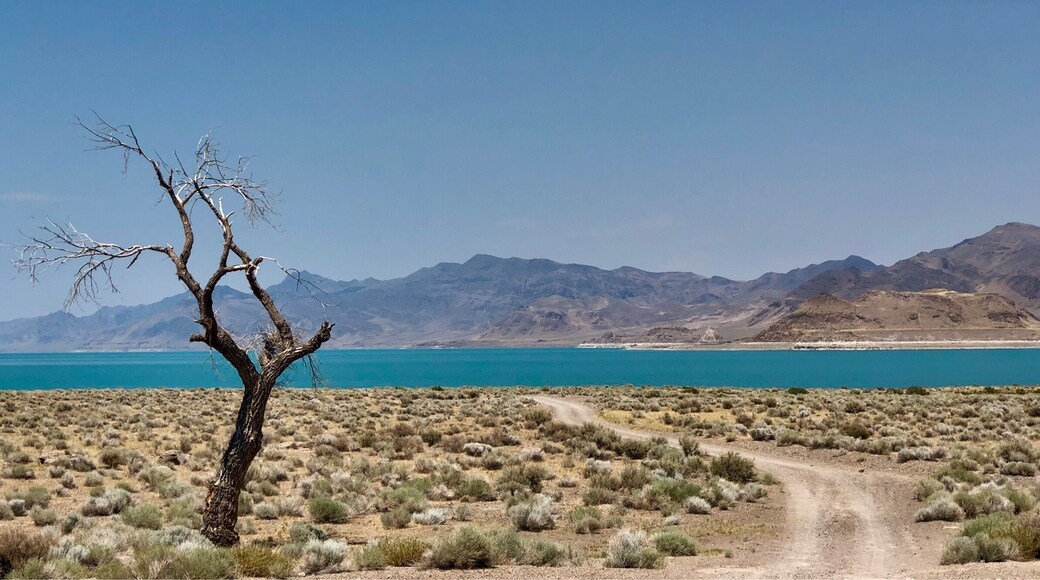
The Pyramid Lake Indian Reservation covers 1,900 square kilometres of north-western Nevada’s awe inspiring countryside. A quarter of the land area is comprised of Pyramid Lake, which is home to Anaho Island, and although this it is home to 1,000 members of the native American tribe, the area is open to visitors and available for all to enjoy.
The Pyramid Lake Paiute Tribe Museum and Visitor Center is a good place to start your visit. This gives a firm grounding in the details of tribal history and features an extraordinary array of local artefacts. These illuminate areas as diverse as culture, costume and the leadership structure of the Paiute people. The geology and significance of Pyramid Lake are also detailed in the exhibits.
Camping and fishing are allowed permits for both can be purchased at the visitor centre. It is also useful to pick up a map here before heading deeper into the park. As part of the tribe’s income depends directly on the money generated by these permits, there are hefty fines for fishing or camping without them.
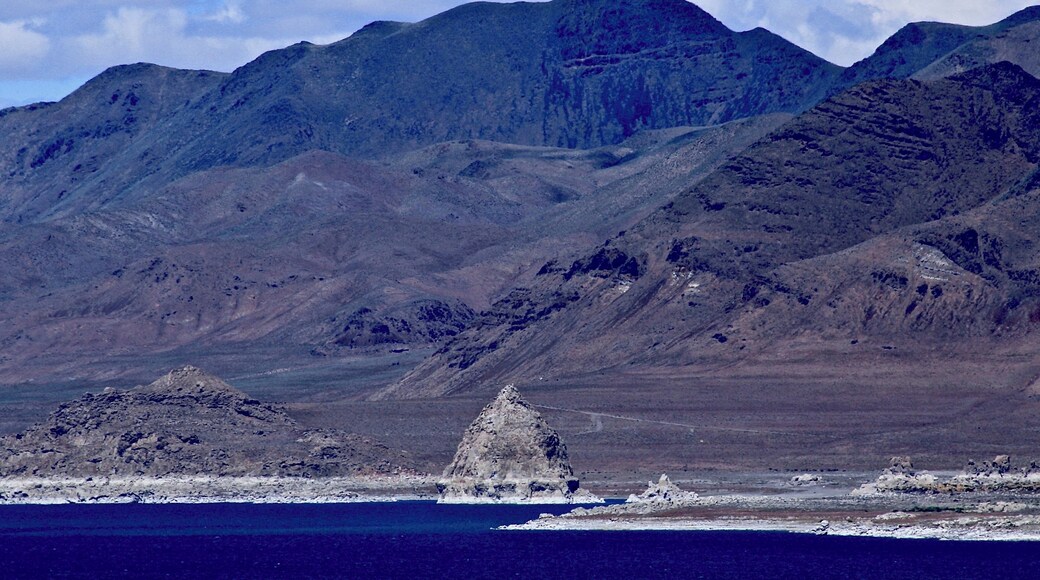
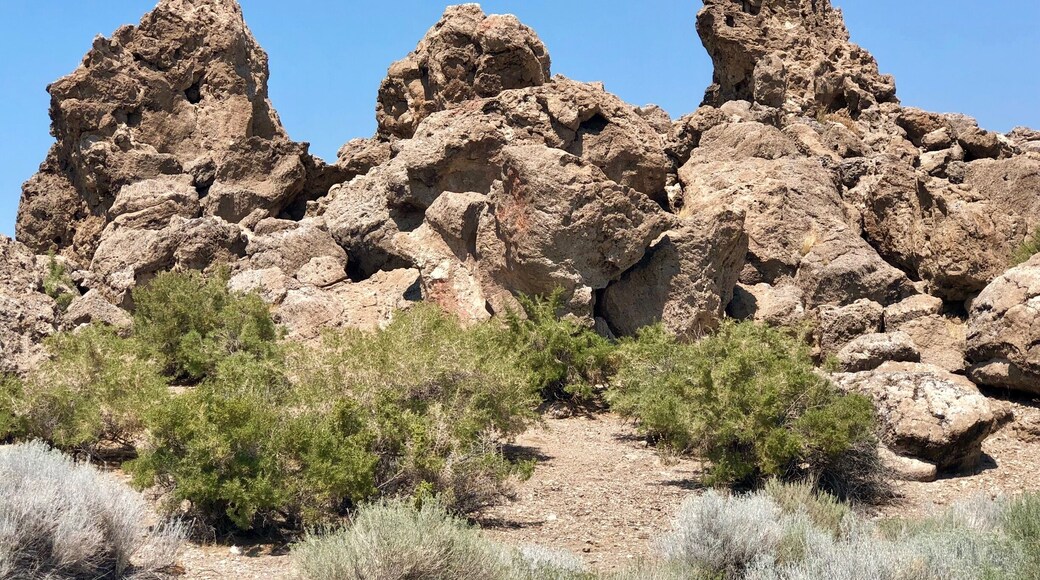
It is very easy to spend an entire day on the reservation, as trails and roads can be explored in all directions. The spectacular tufa rock formations are not to be missed and a gentle dip in Pyramid Lake while contemplating Anaho Island also comes highly recommended. The marine life is rich, with populations of cutthroat trout, Sacramento perch and the cui-ui fish. The fishing season runs from October to June, so this is the busiest time to visit the reservation.
The tribe call themselves Numu, and share a deep spiritual connection with the land. Consequently, it is important to remember to show respect when granted access to their homeland and not to touch or walk on the ancient petroglyph (rock art). It is also essential to take all litter with you when you leave.
Pyramid Lake Indian Reserve is 64 kilometres north of Reno and is best accessed by car. Facilities for camper vans and a lodge are available for those wishing to stay longer, as are shops for stocking up on supplies and buying the required permits.