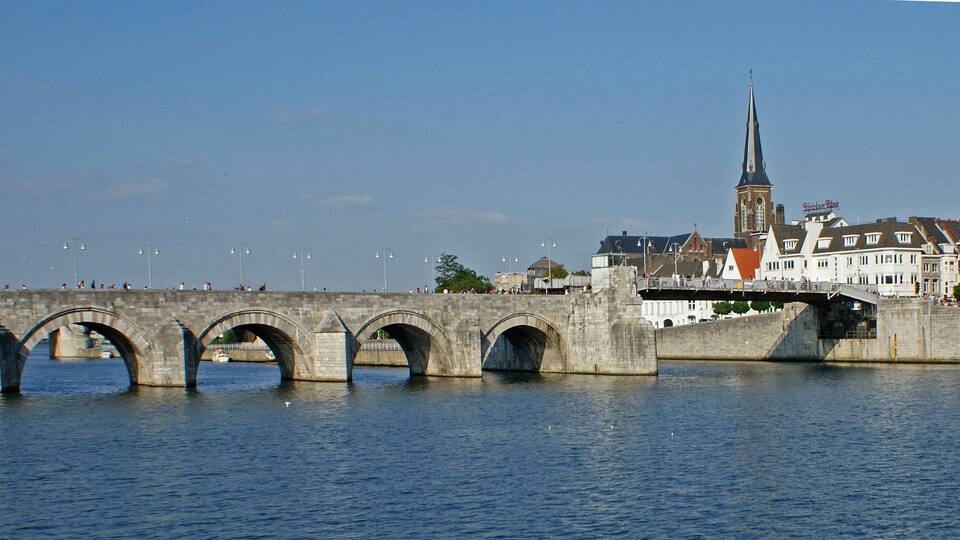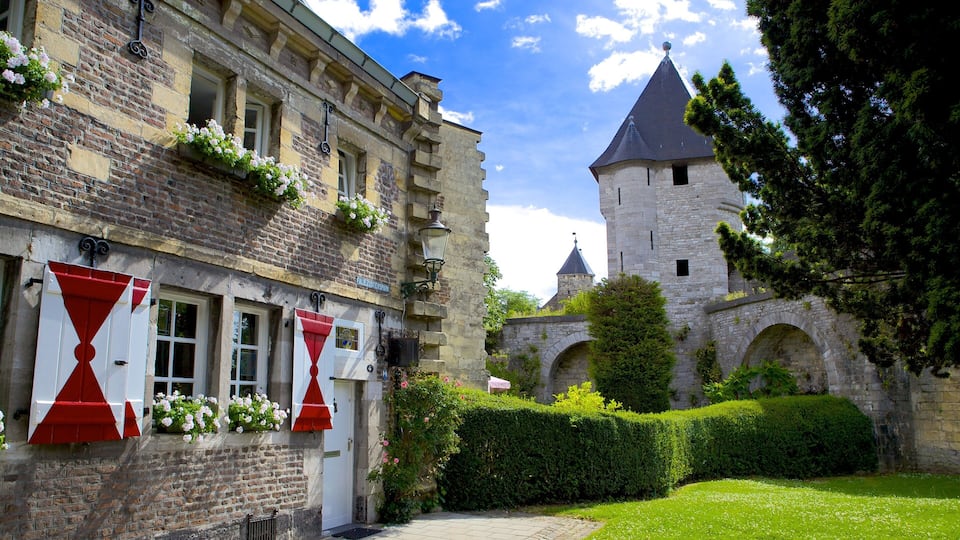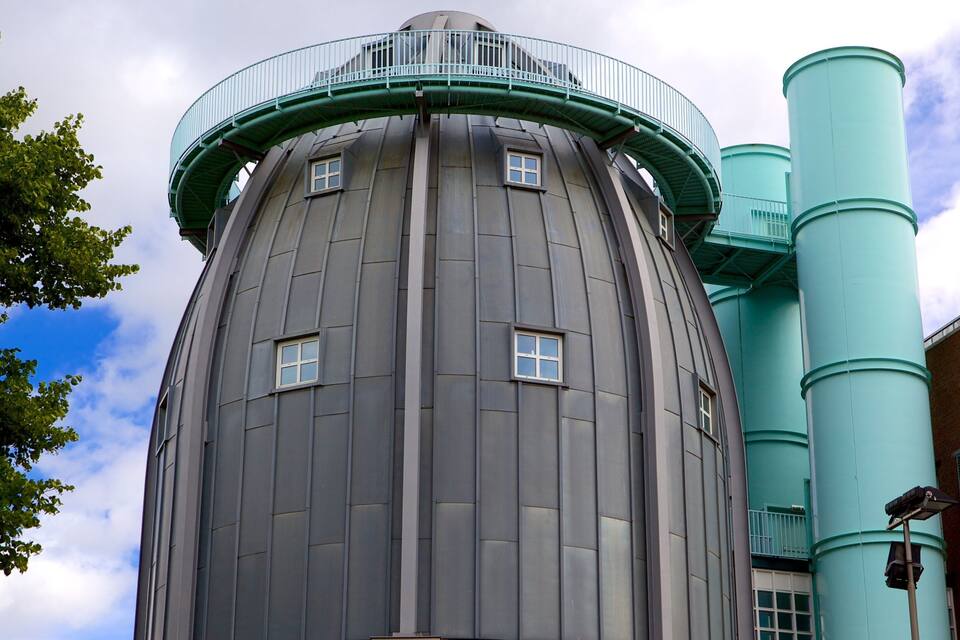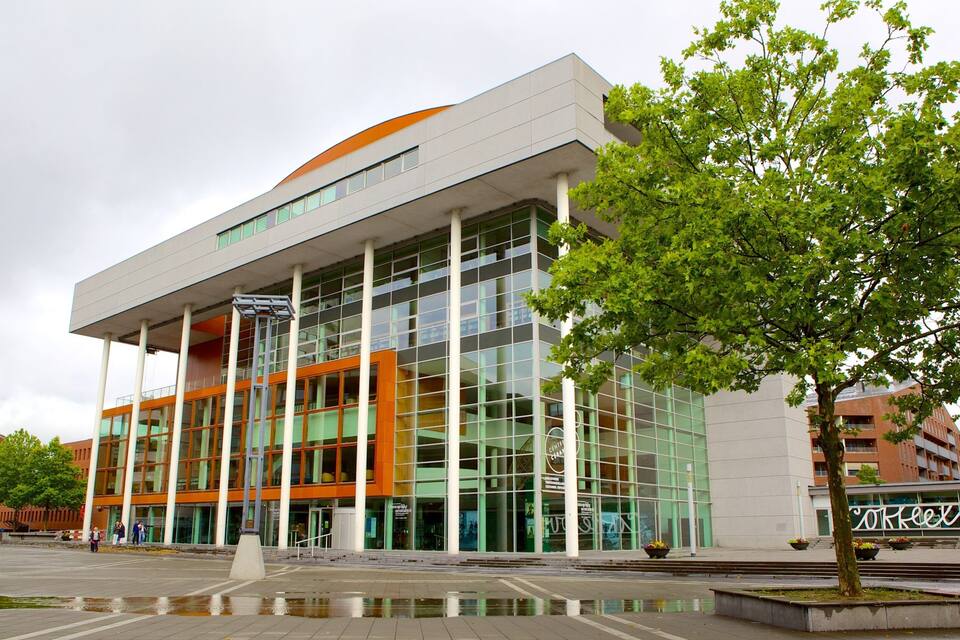

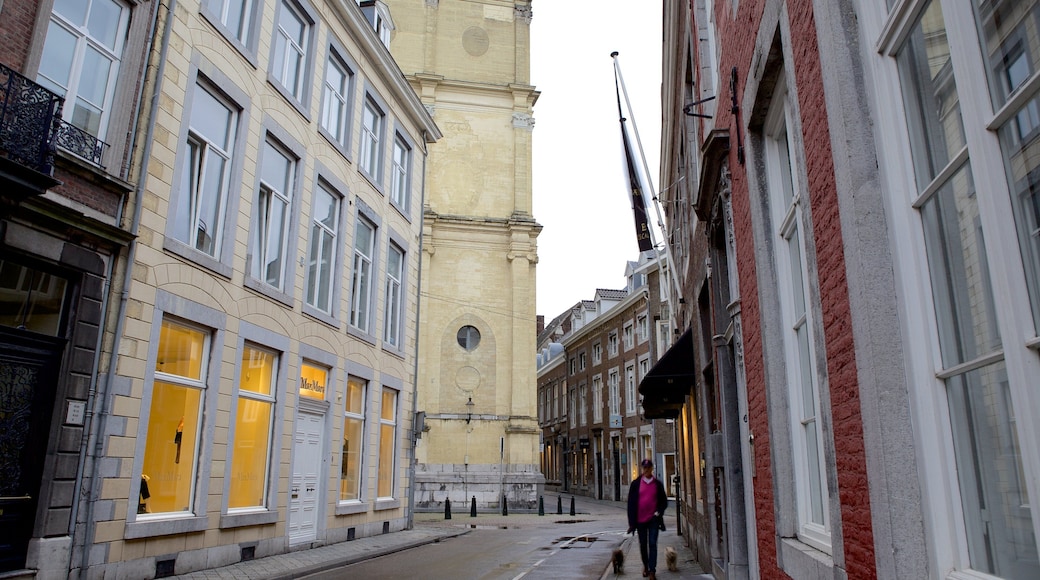
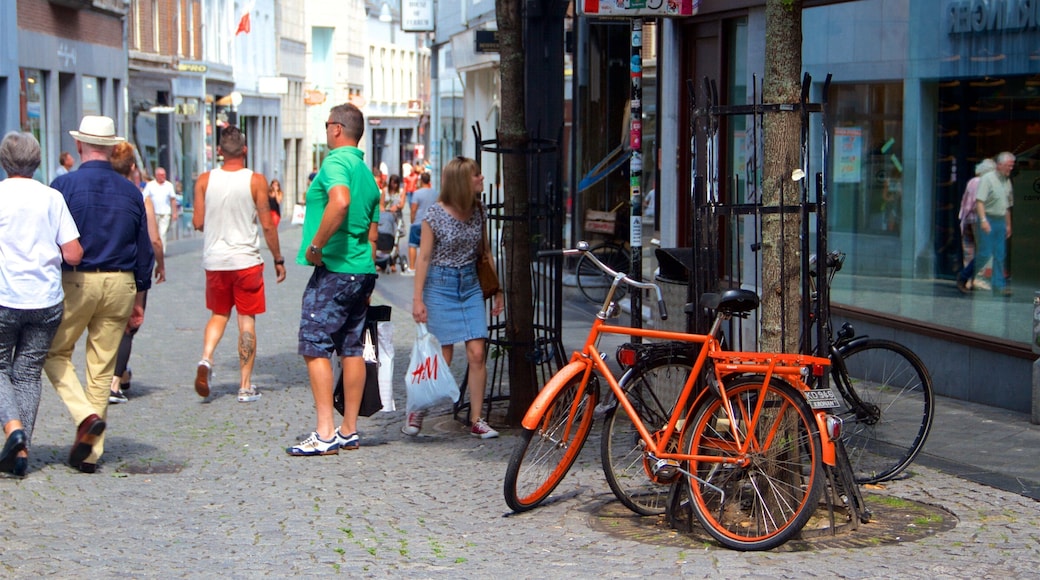
Explore medieval fortifications, admire historical cathedrals, and stroll down gorgeous cobbled streets in this vibrant Dutch river city, which combines its industrial history with a lively and sophisticated present.
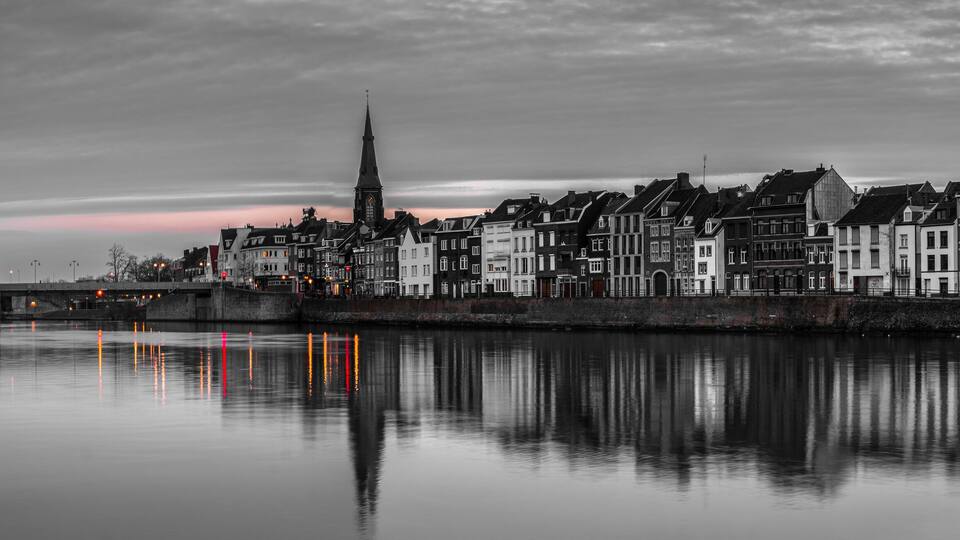
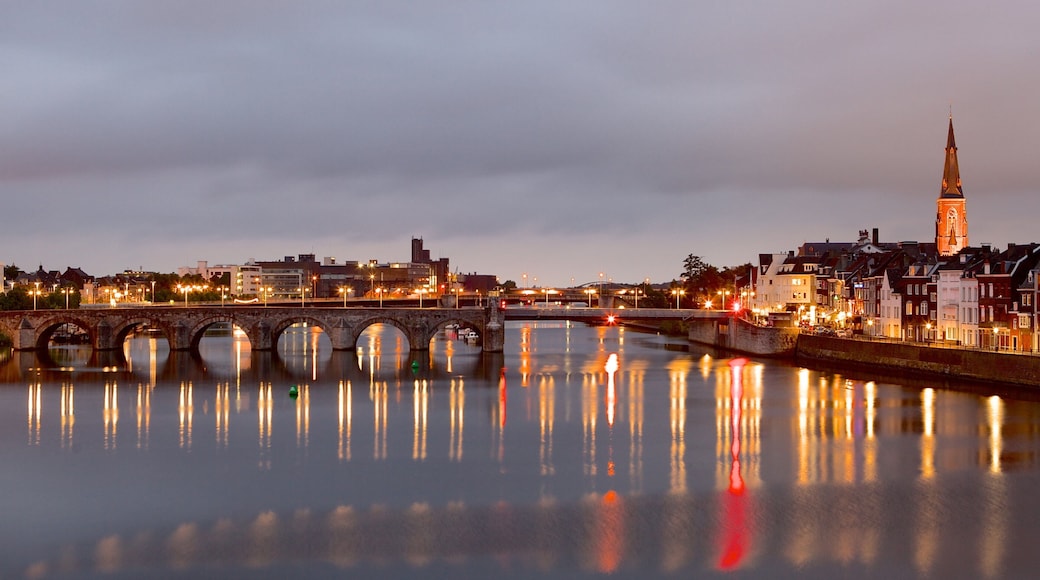
Maastricht is a lively city of culture and history, with a proud industrial heritage and a hip, exciting future. It is the capital city of the province of Limburg, which is located in the south of the Netherlands, and it is surrounded by some truly lovely countryside.
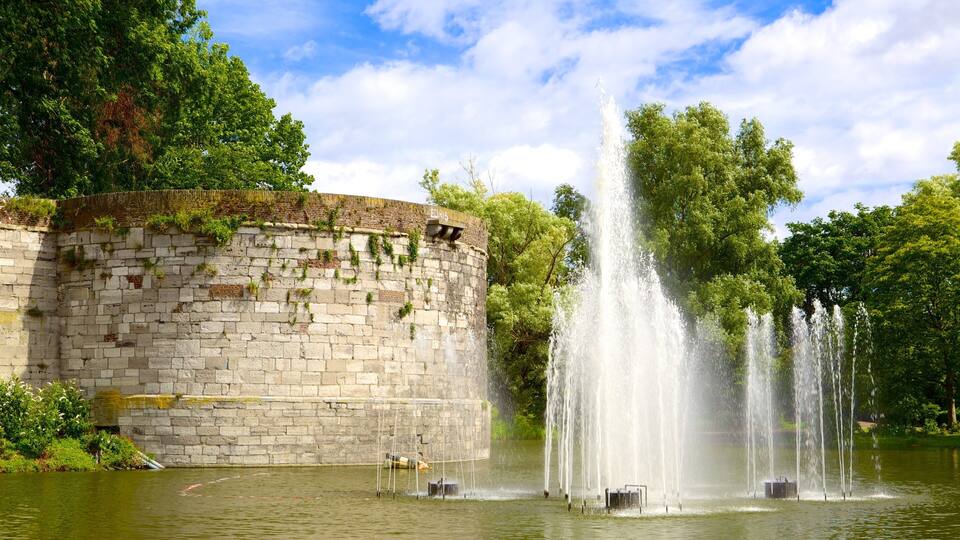
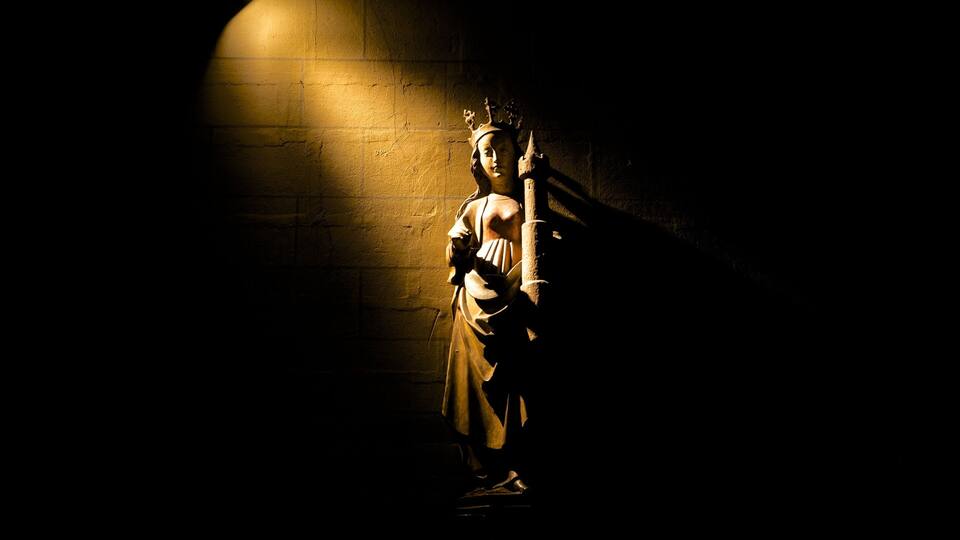
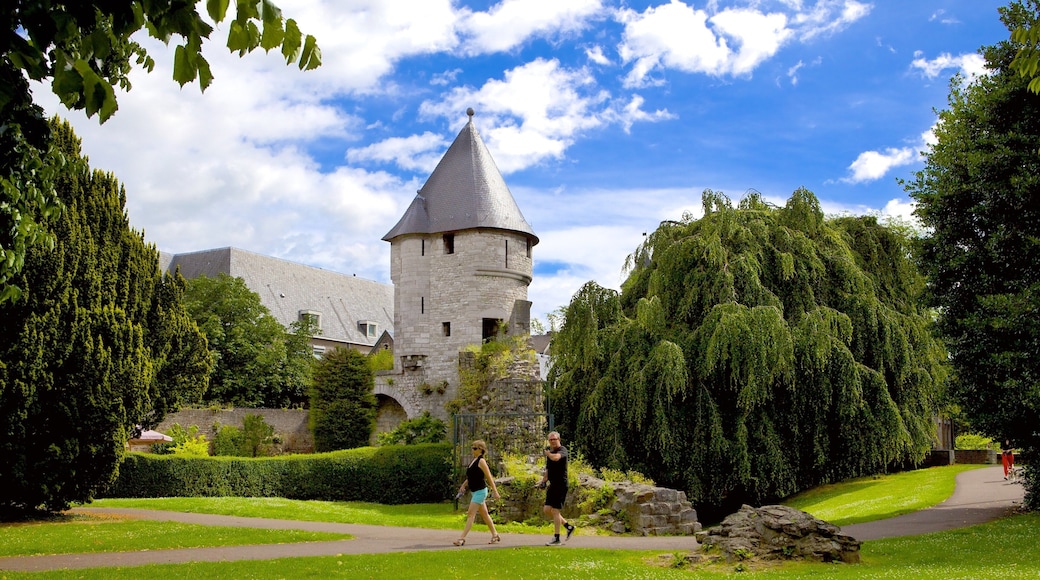
The area around Maastricht was settled by Romans in the first century B.C., although the region had been inhabited by hunter-gatherer tribes even before then. Maastricht was awarded town status in 1229, and the fortifications that were built to protect the young city through the Middle Ages still remain, in part, today. The city’s fine cathedrals, largely Spanish in influence, are testimony to a strong religious tradition as well. Most recently, Maastricht entered history as the place where the treaty for the European Union, the Maastricht Treaty, was signed.
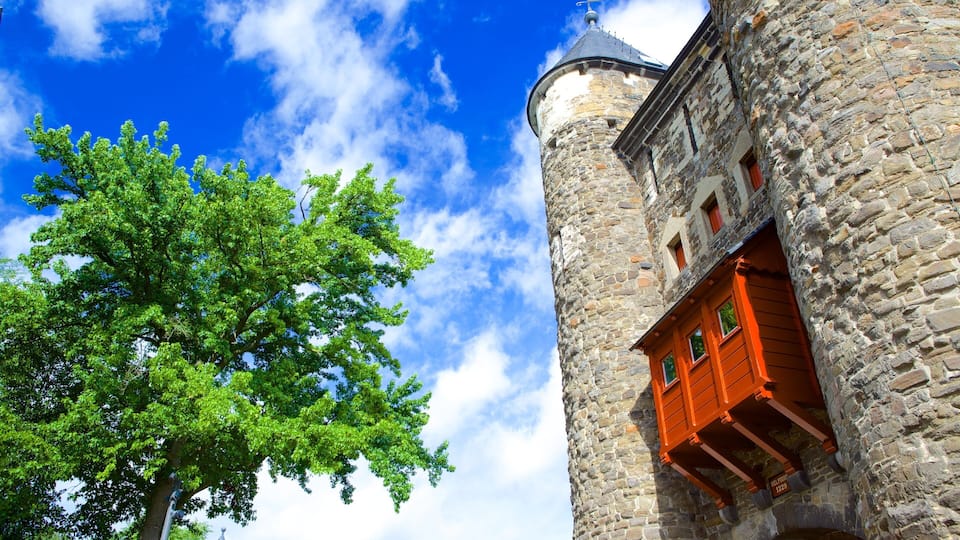
The city is made for exploring, with a historic old town that can be navigated on foot or by bike. Southeast of town is the 13th-century gate to the city walls, the Helpoort (Hell’s Gate), which is now home to an informative museum. Helpoort is the last of Maastricht’s gates, and it is actually the oldest city gate still standing in the whole of the Netherlands.
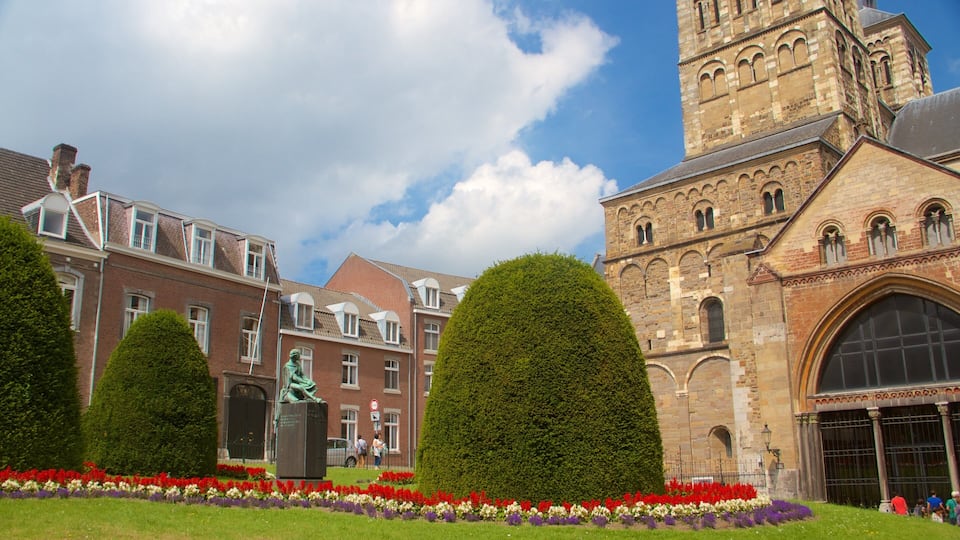
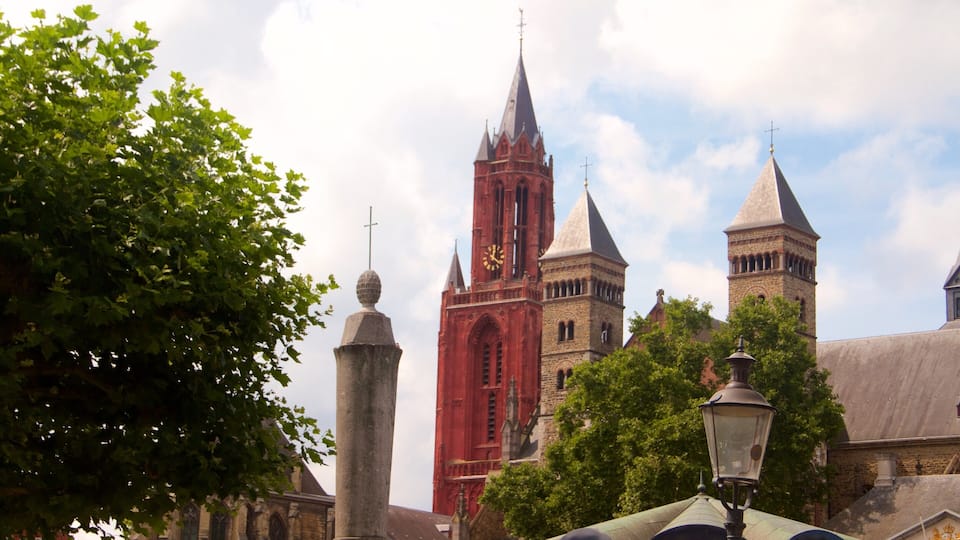
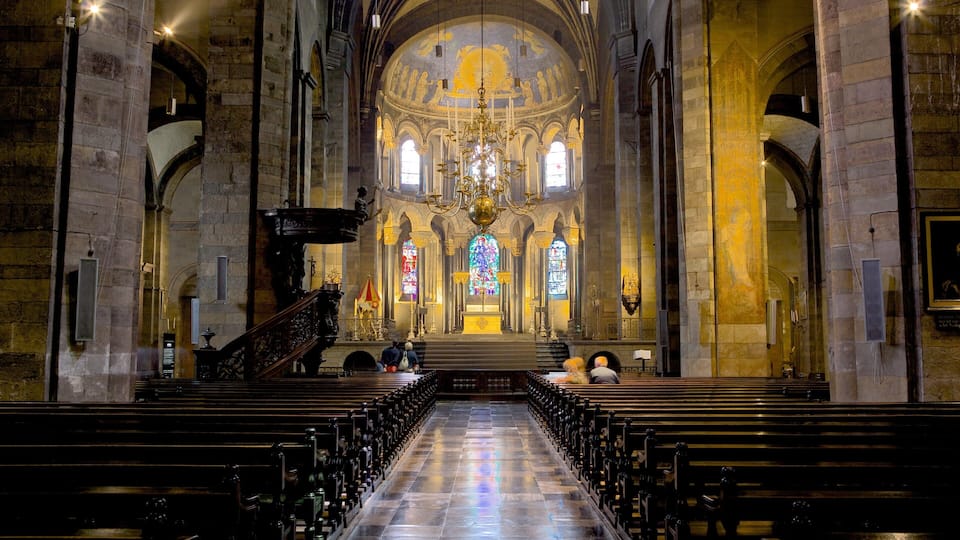
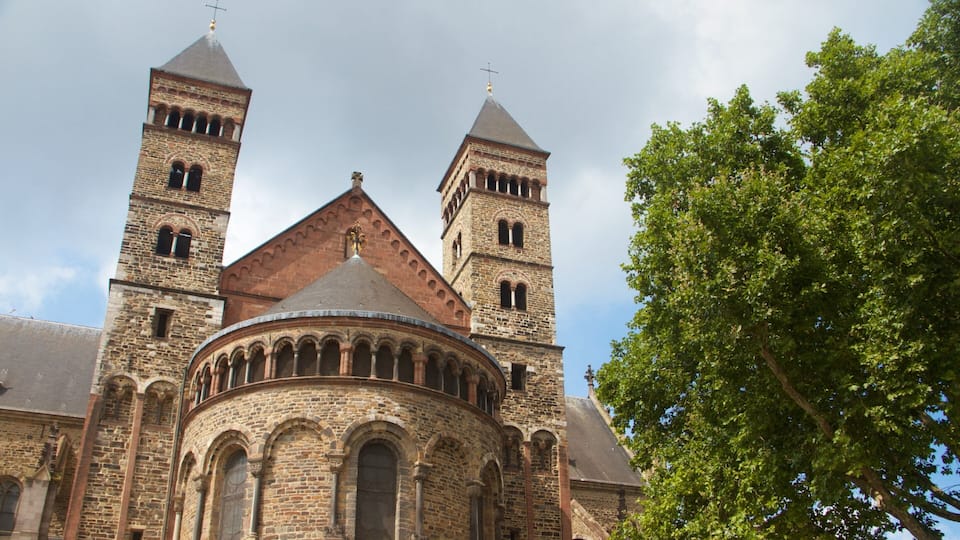
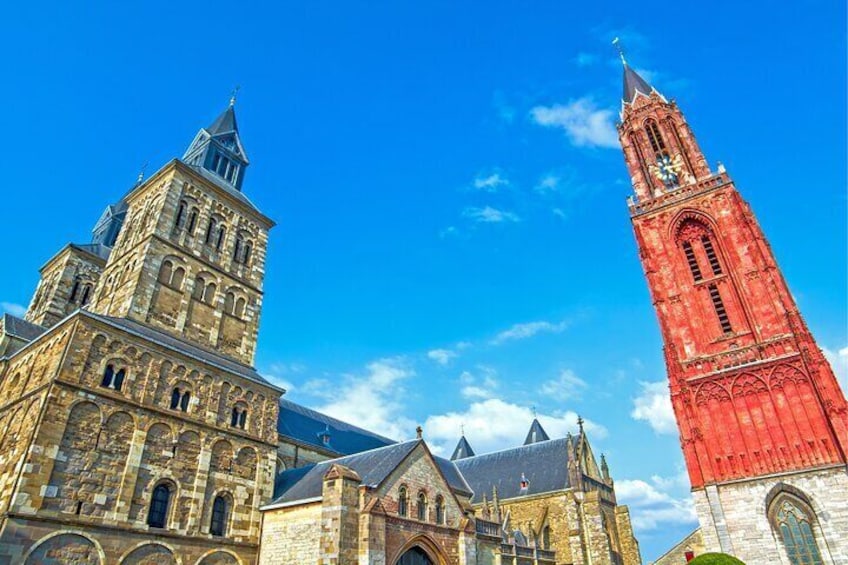
Head into the city centre, just west of the River Meuse, to find the Vrijthof. This tree-lined, cobbled town square is home to the Gothic cathedral St. Janskerk (Church of St. John) as well as the legendary Basilica of St. Servaas, where Saint Servatius is said to have been buried in the fourth century.
The VVV Maastricht, the city’s tourist centre, is located at the other end of the Grote Straat (Big Street). There you can sign up for a guided tour of the Fortifications Trail, a labyrinthine network of more than 20,000 tunnels at the St. Pietersberg Caves to the south of the city.
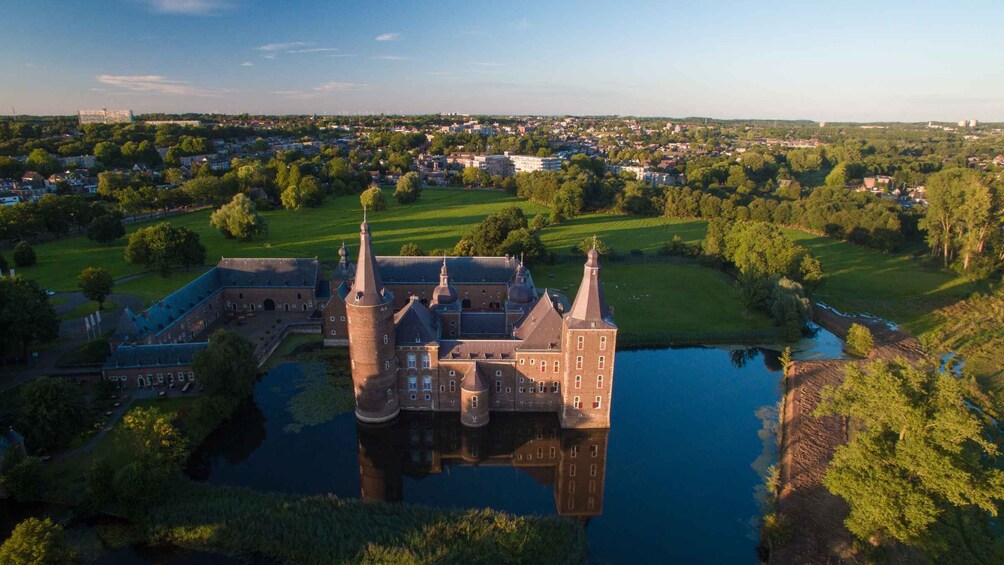
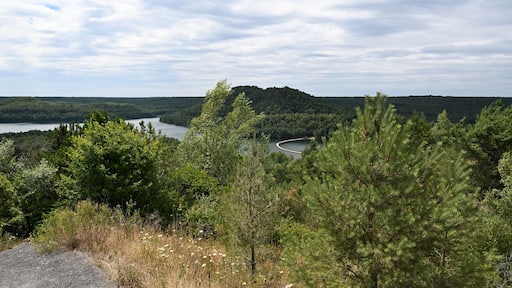
Reach Maastricht by train or by plane, or drive for 2.5 hours from Amsterdam. After seeing the city, head out to the surrounding countryside to hike and see the castles in the hills. Another novel attraction, just to the southeast of the city, is the point where Germany, Belgium and the Netherlands all converge.