What to do in Kyoto Prefecture

Activities, attractions and tours

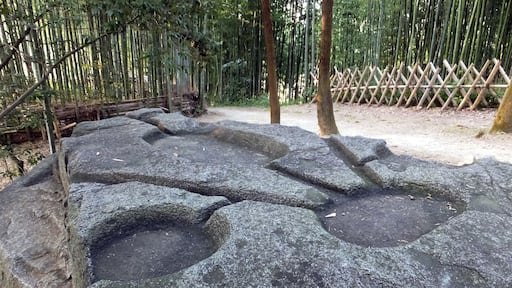
A pathway flanked by tall green bamboo stalks.
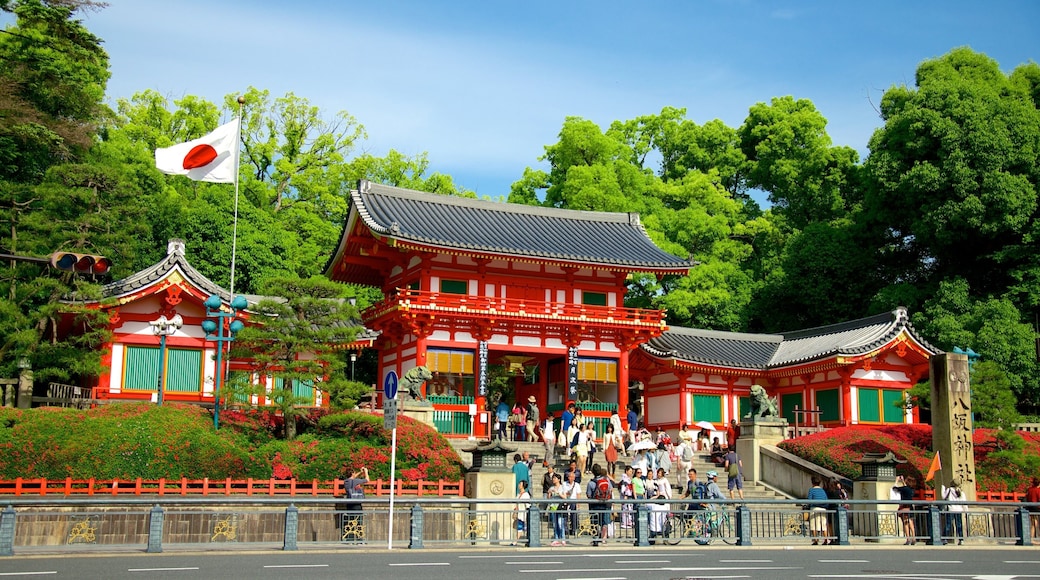
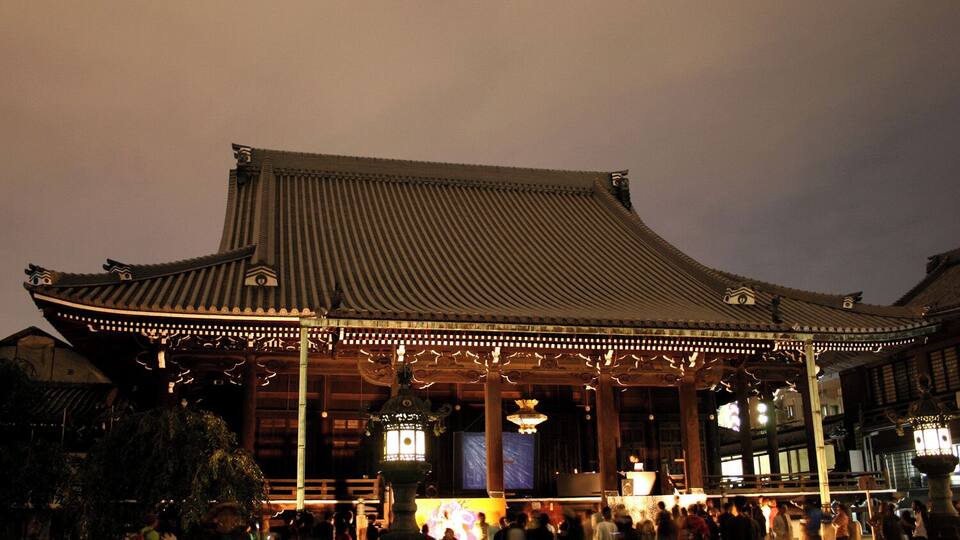
A traditional Japanese temple with red and white structures, surrounded by lush greenery and a crowd of visitors.
A busy indoor public space with multiple levels, escalators, and glass railings.
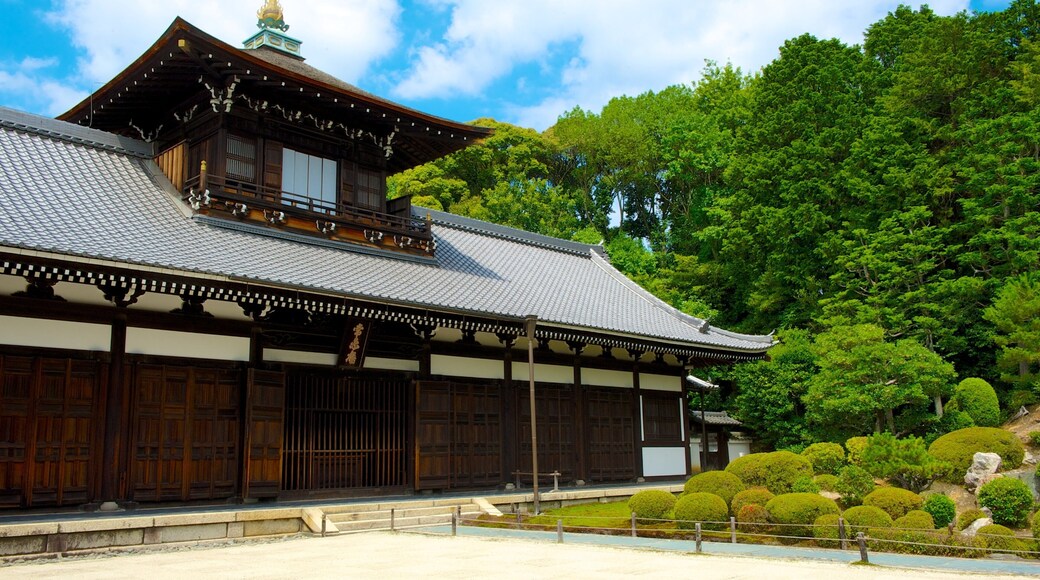
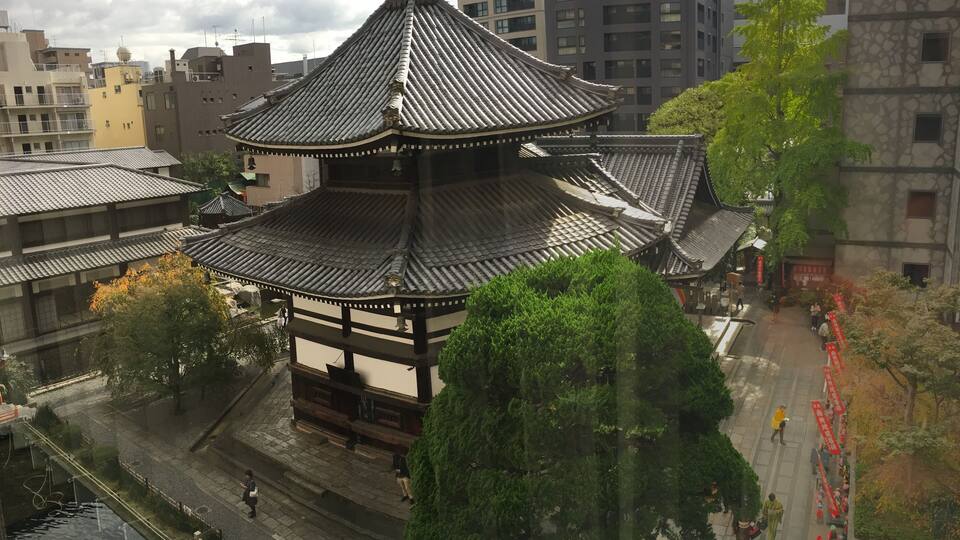
A traditional Japanese building with a tiled roof, wooden beams, and a small balcony.
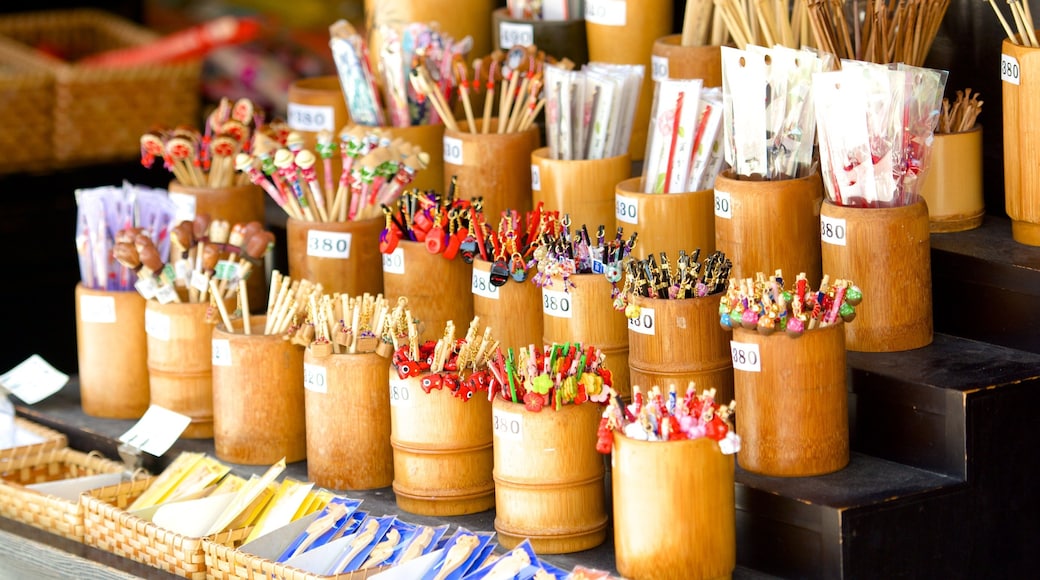
Wooden containers with numbered labels, filled with various items like chopsticks, keys, and small decorative objects.

Activities


  • find price illustration

    Explore activities

    Explore thousands of experiences from activities and attractions to day tours and transfer.
  • calendar shield illustration

    Book with ease

    Skip the line- book tickets online in minutes to top attractions with free cancellation on many activities.
  • trophy illustration

    Treat yourself

    Members save % or more when you book activities.

Top places to visit

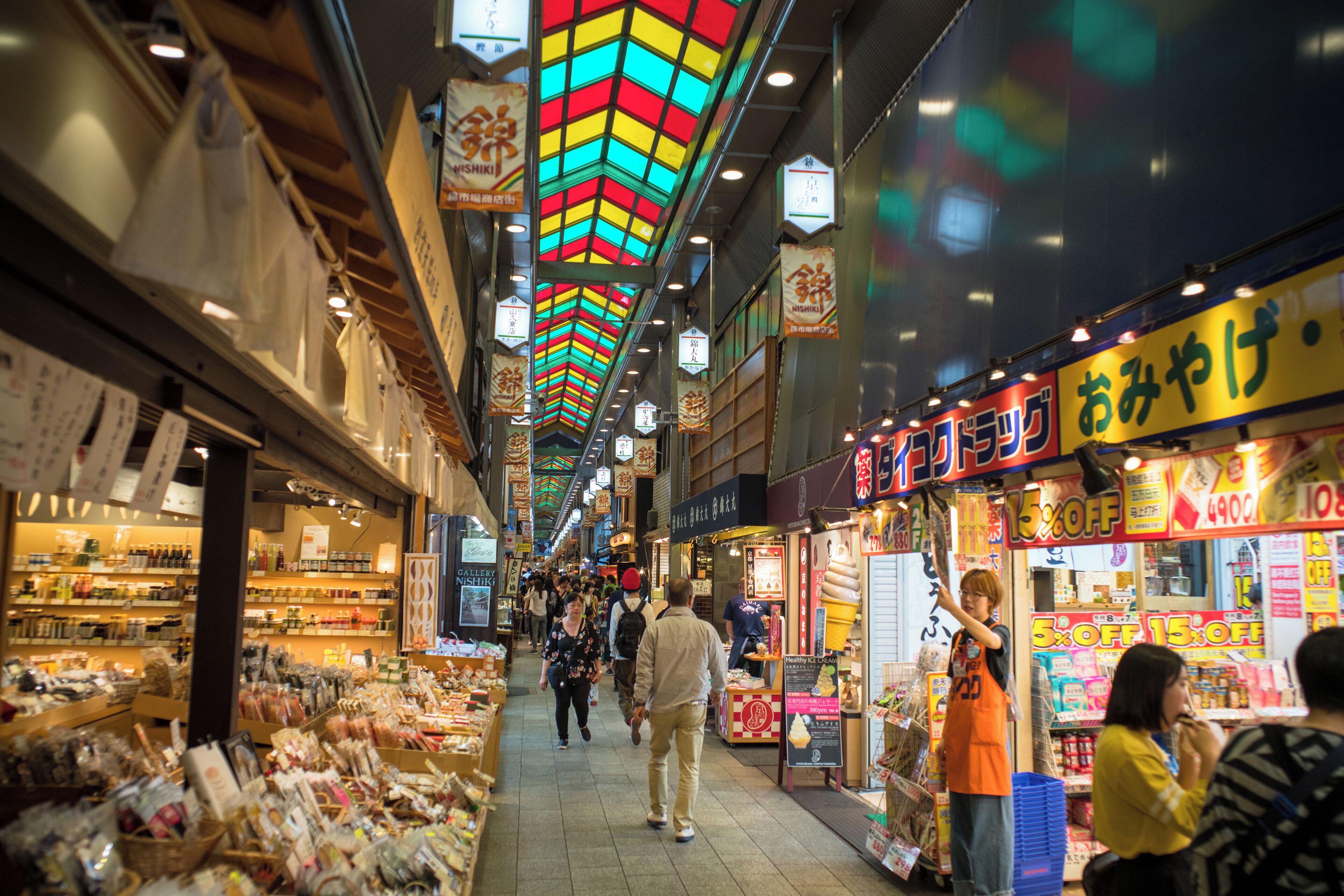
1. Nishiki Market

Traditional Japanese food is the order of the day in the Nishiki Market, known as Kyoto’s Kitchen. The market plays host to hundreds of restaurants, shops and temporary stalls selling culinary supplies from fresh seafood to knives. Shops sell either food or utensils with which to prepare it. A stark contrast to the serene and humble temples, shrines and museums, Nishiki Market is the perfect place to experience the typical hustle and bustle of food trade at the core of Kyoto.
Learn more
A bustling indoor market with various shops and stalls.

2. Kiyomizu Temple

Kiyomizu Temple is located in the Otowa Mountain, east of central Kyōto. The city is a hotbed of ancient temples, and this is one of the most enchanting. Millions of people come to see this Buddhist site every year. There's been a temple of some form or other here since 778, when it was affiliated with the Hossō sect. Since 1965, it's been associated with the Kitahossō group.
Learn more
A traditional Japanese temple complex with autumn foliage, a prominent pagoda, and wooden walkways.

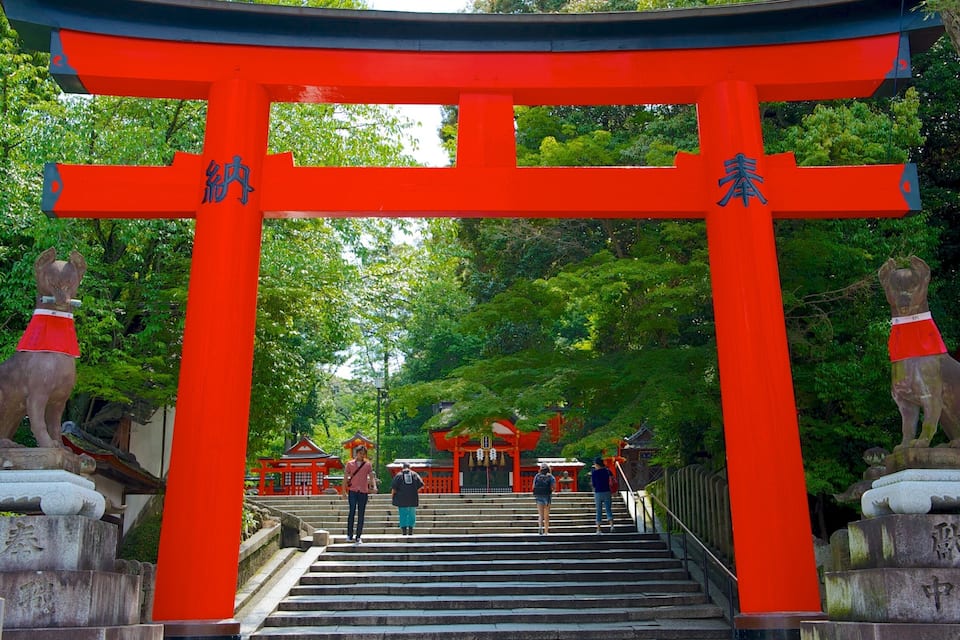
3. Fushimi Inari Shrine

Founded in 711, the Fushimi Inari Shrine is the head shrine for up to 32,000 sub-shrines devoted to Inari across Japan. Inari is a Japanese 'kami', a god-like being. Traditionally, worshippers came to pray to Inari for things including a healthy rice harvest, good business and fertility. Of course, the Fushimi Inari Shrine is now enjoyed by non-religious locals and tourists too.
Learn more
A red torii gate with stone lion statues on either side, leading to a shrine with a red roof.

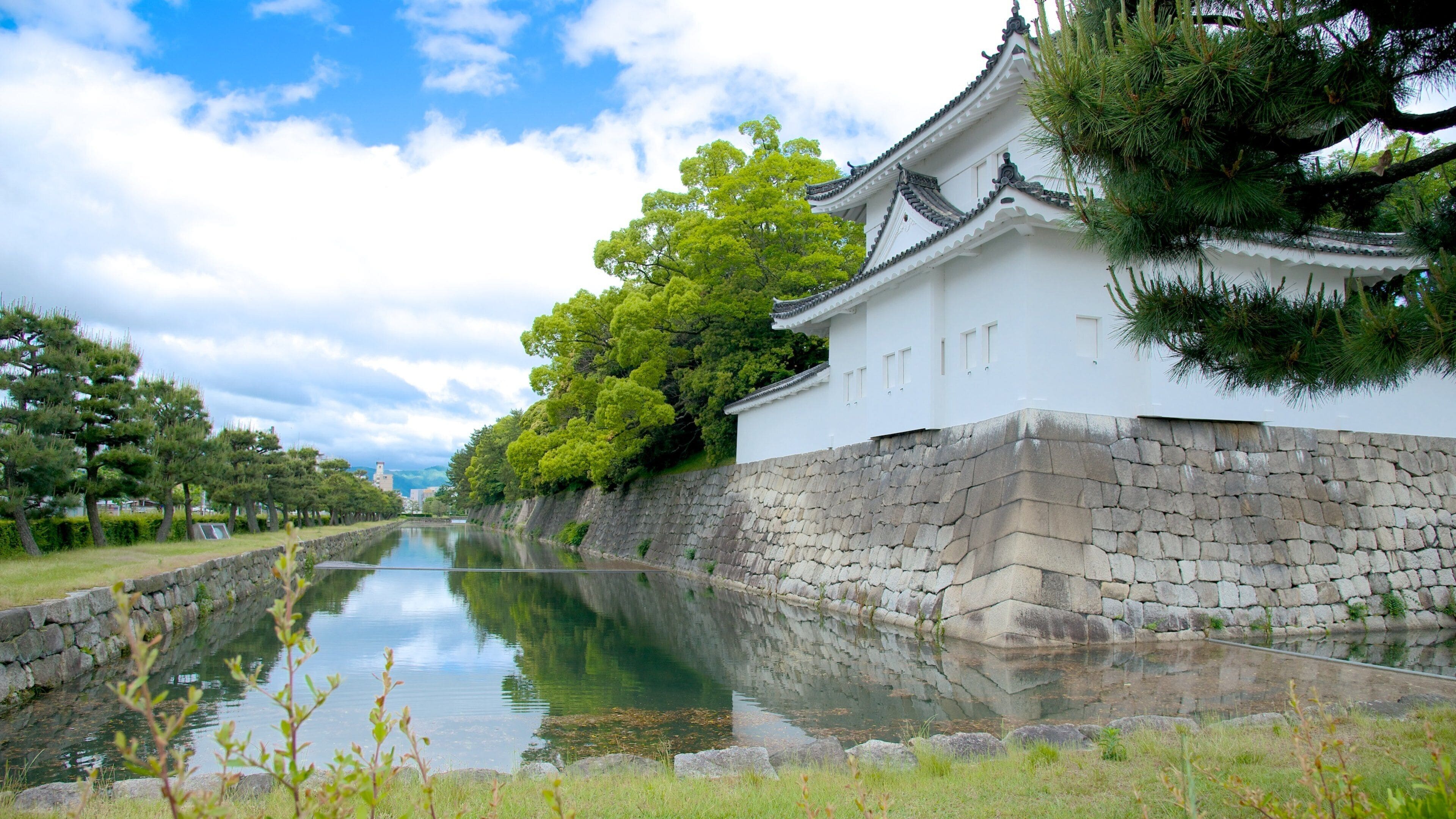
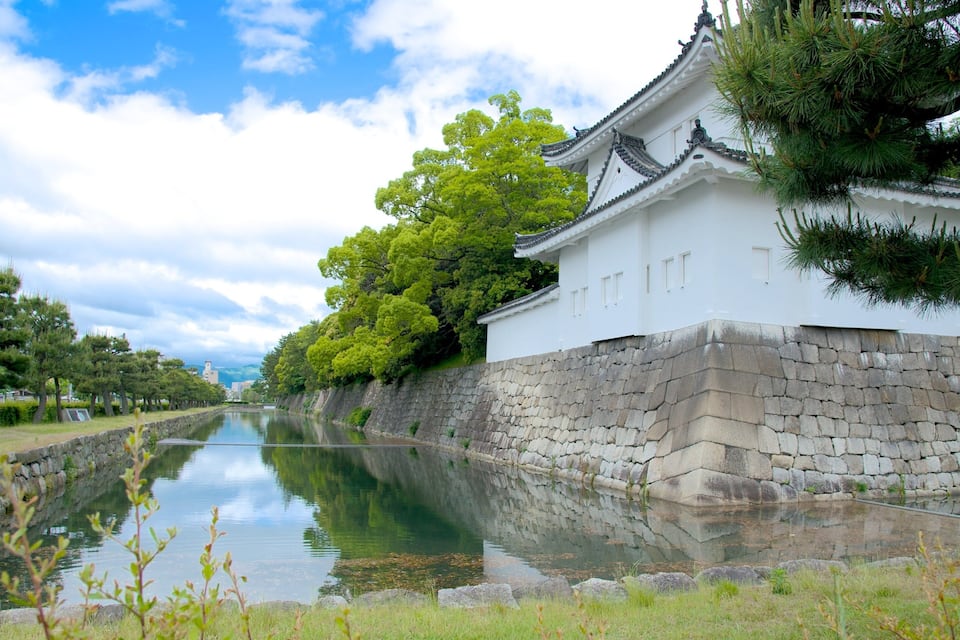
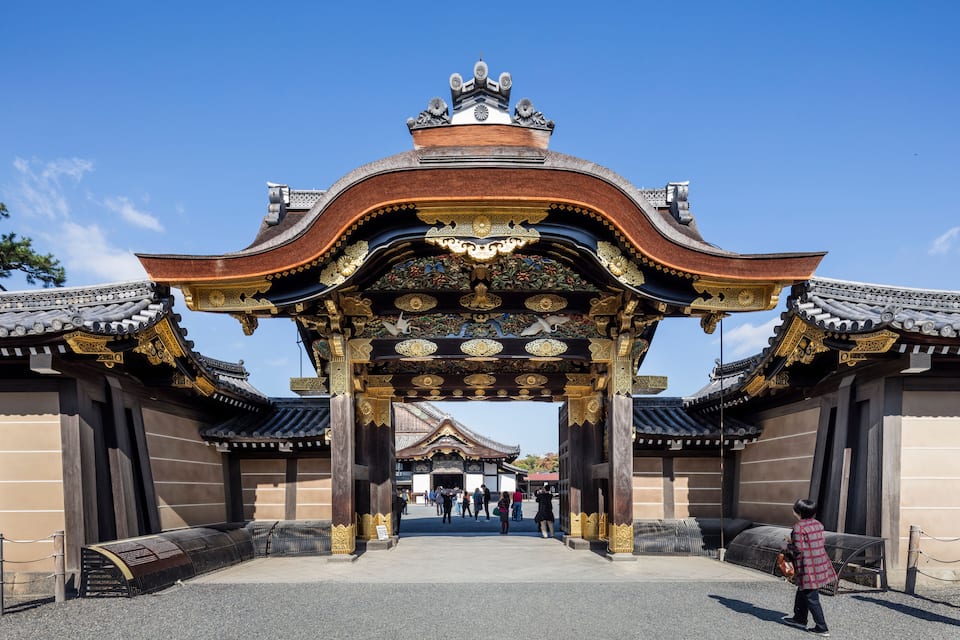
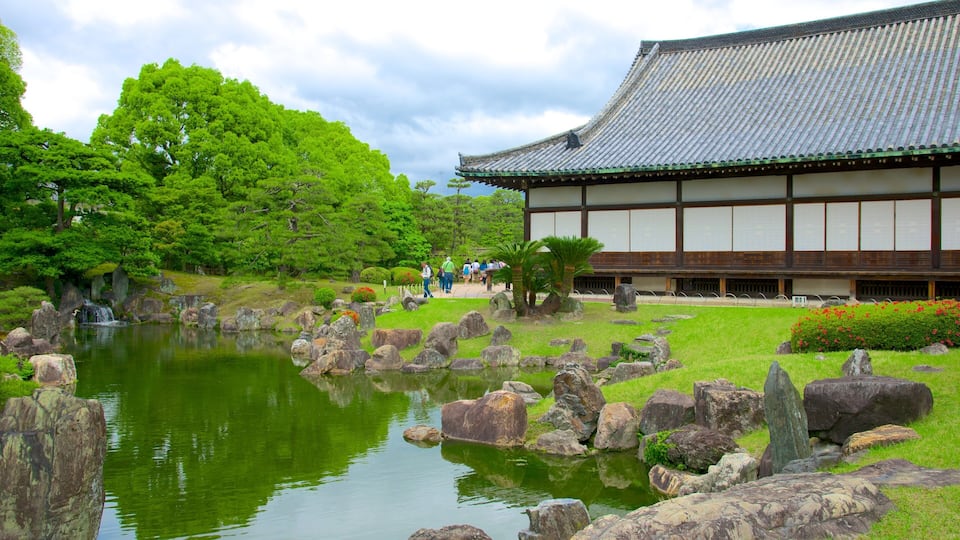
4. Nijō Castle

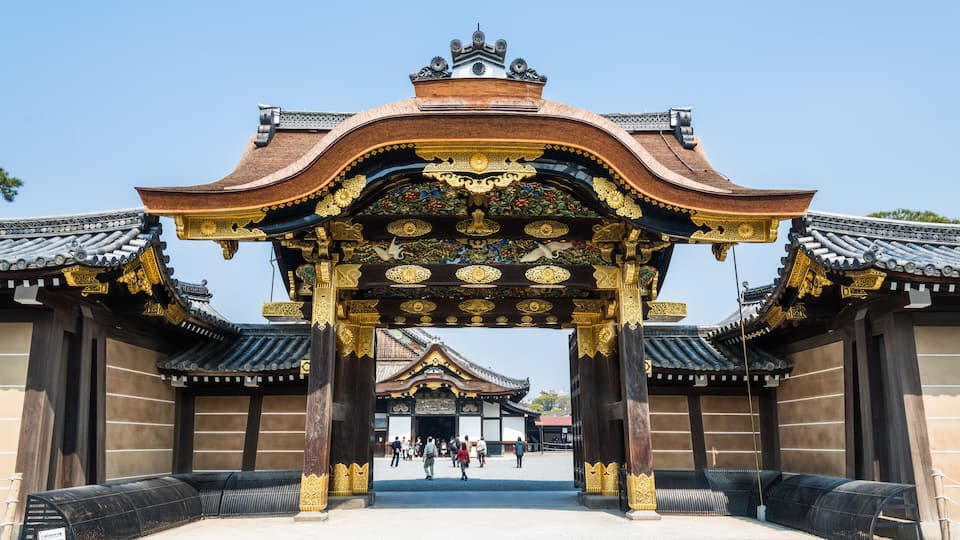
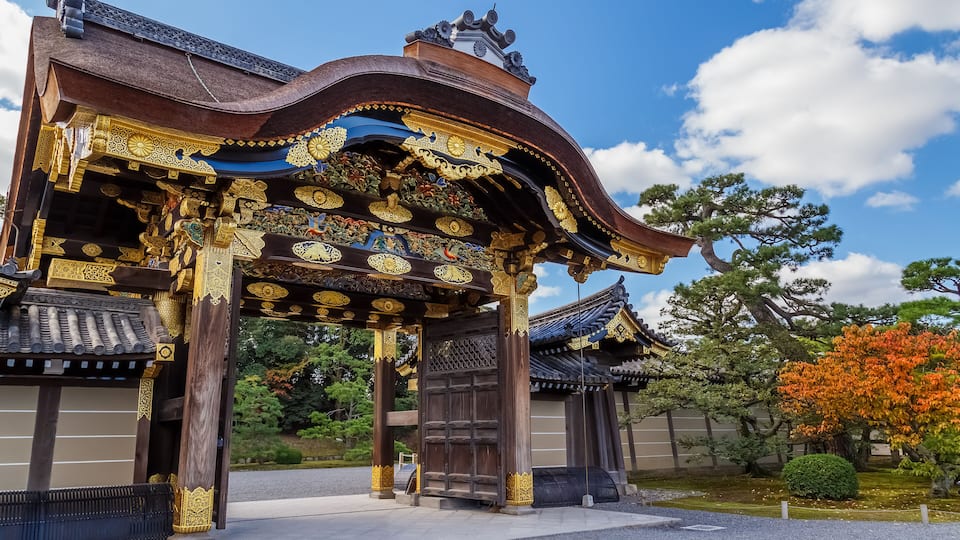
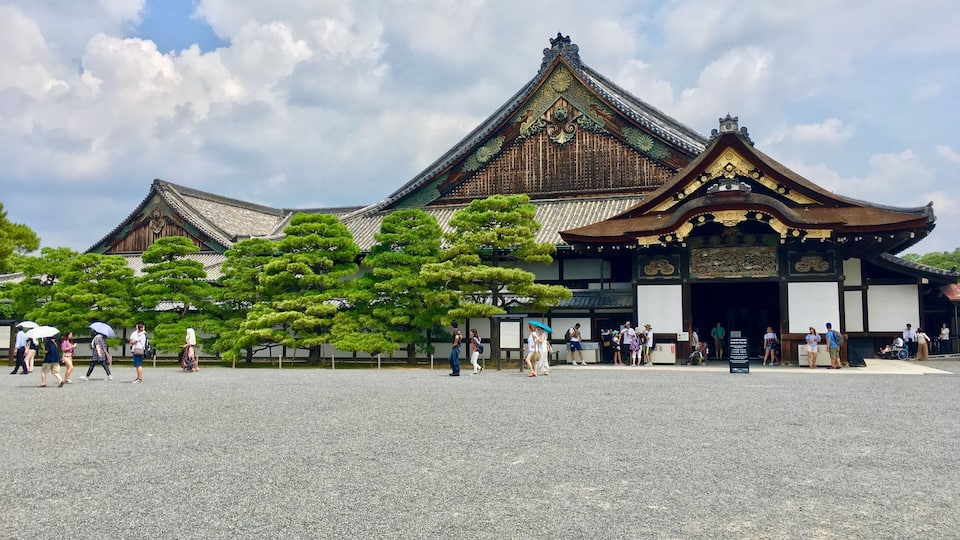
The construction of Nijo Castle was ordered by the Tokugawa Shogunate in 1601, and was finally completed 25 years later. Sections of Fushimi Castle were also added as building neared completion. To ensure their security, the Tokugawa Shogunate had two stone fortifications, each with a moat, built around the two palatial complexes.
Learn more
A traditional Japanese building with a stone wall and a canal reflecting the structure.

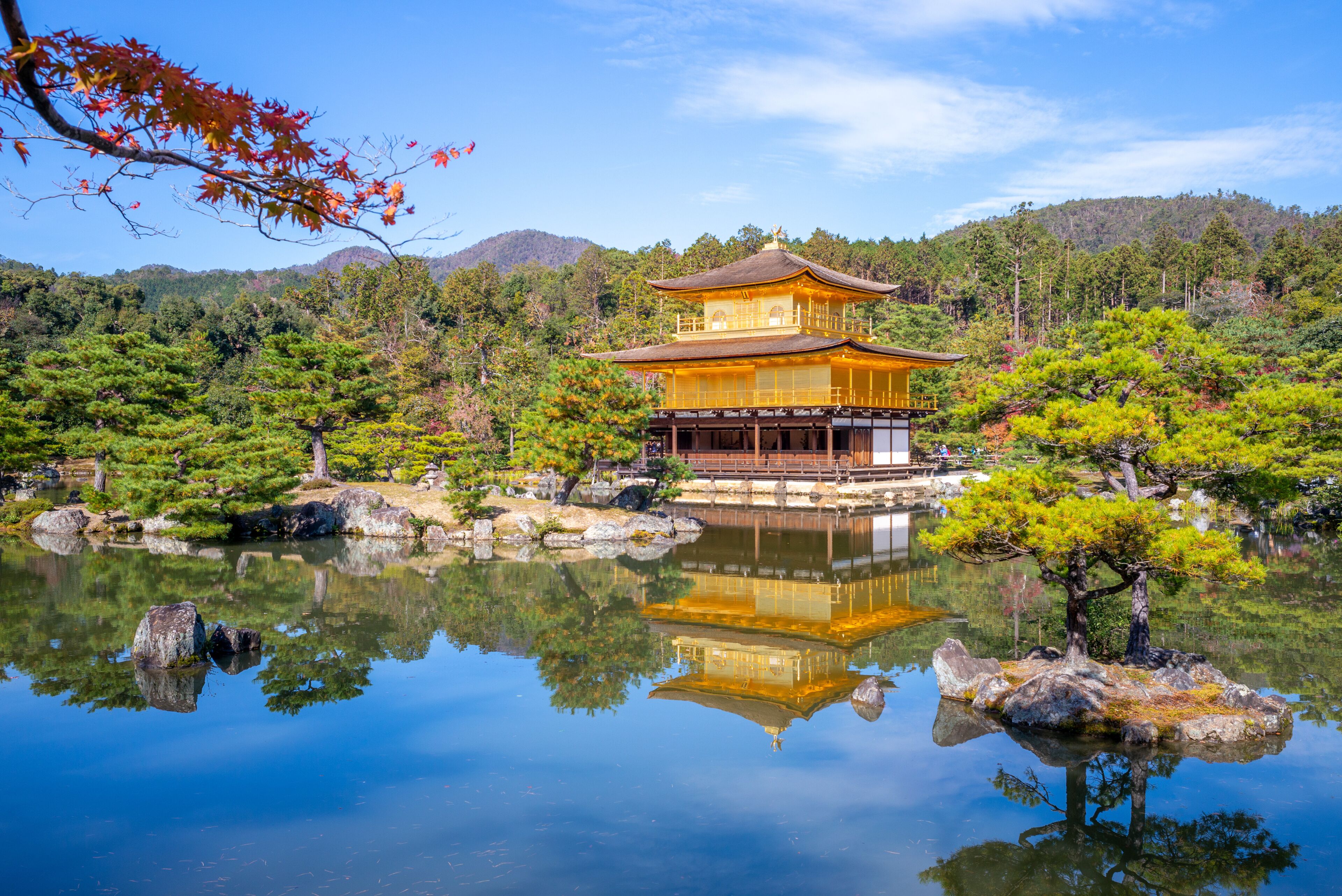
5. Kinkaku-ji Temple

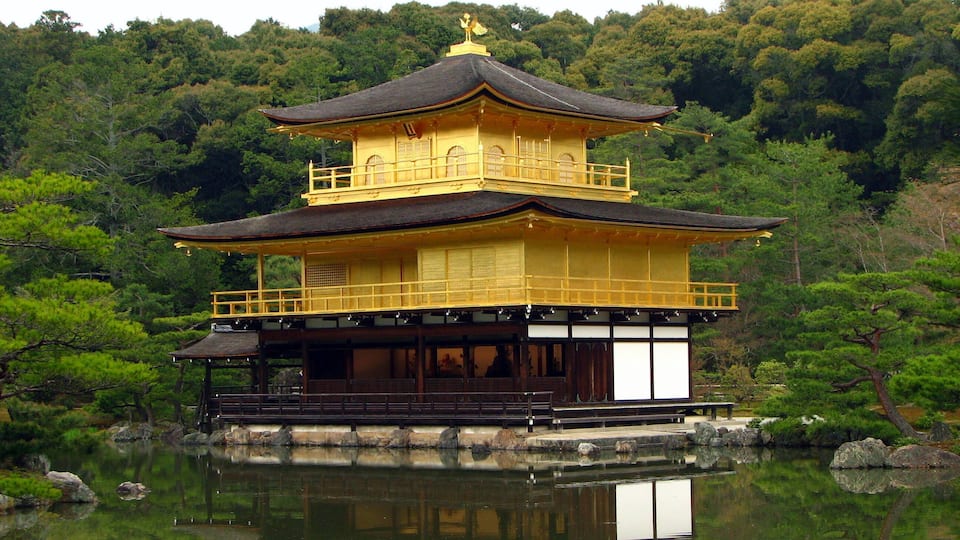
The Temple of the Golden Pavilion is a spectacular work of 14th century art that befits its higher purpose. The top floors of the temple are covered in precious gold leaf, and when the sunlight glints off this surface, the temple shines like a jewel. The temple is built at the side of a pond, with its beautiful golden hue and sweeping rooftops reflecting in the water. Whether you see it on a sunny summer's day or under a light dusting of snow in the winter, it is a truly impressive and significant building – so it's little surprise that it was official designated as a UNESCO World Heritage Site in 1994.
Learn more
A traditional Japanese temple surrounded by a tranquil pond, with reflections of the structure and surrounding trees.

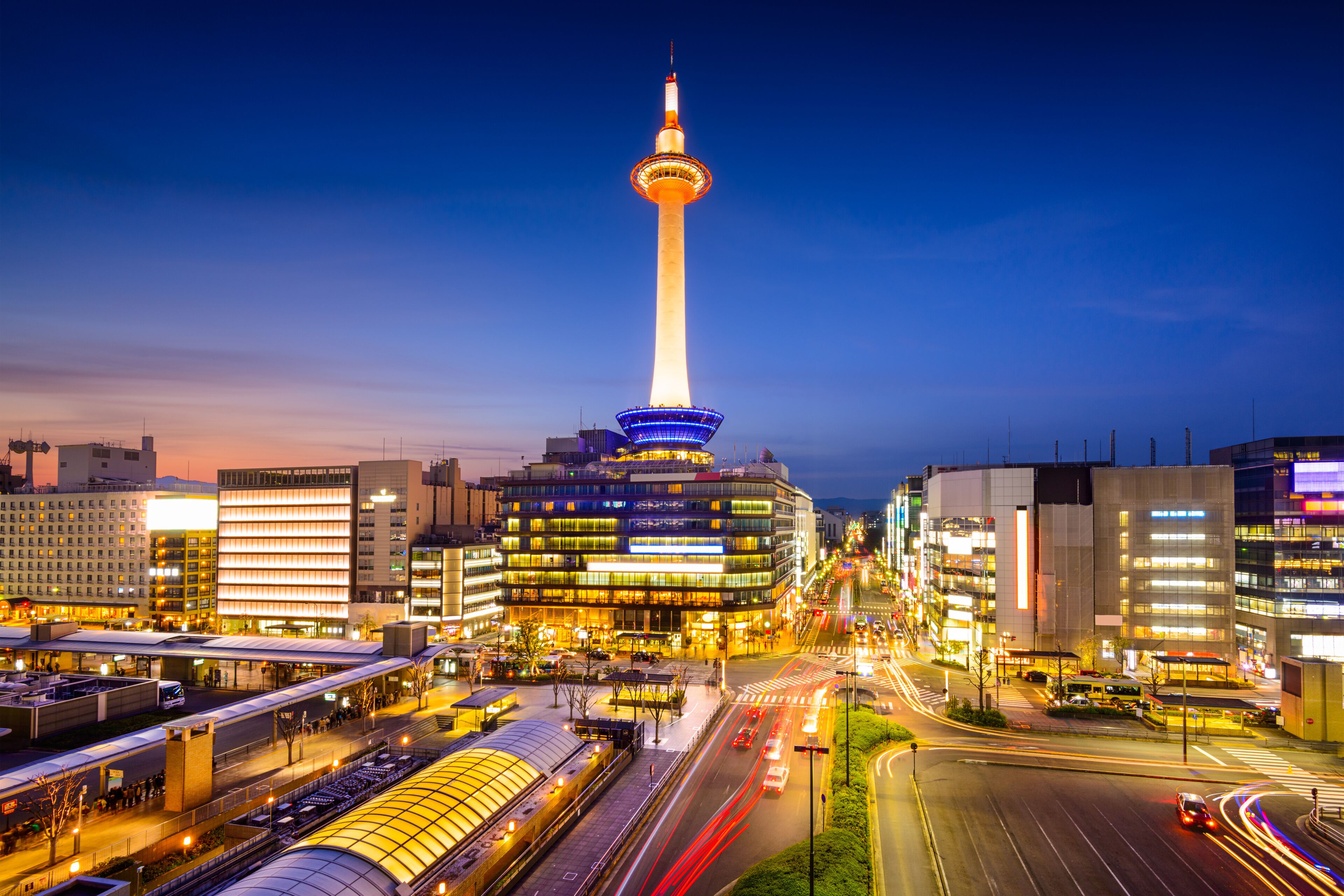
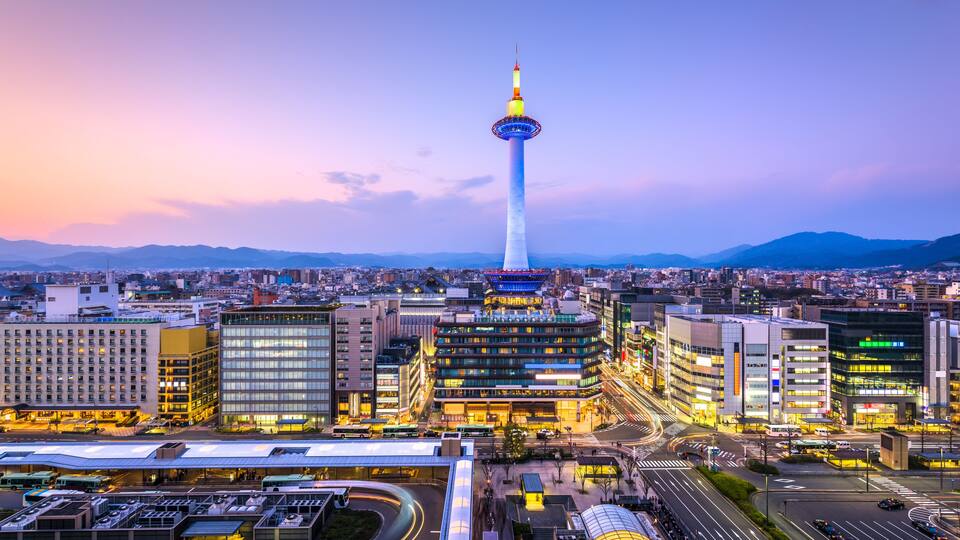
6. Kyoto Tower

The steel Kyoto Tower stands 430 feet (131 meters) high, making it the tallest in the city. Built on top of a nine-story building, the top part of the tower is supposed to resemble a Japanese-style candle. It can be seen from all over Kyoto, which makes it an attractive meeting point.
Learn more
A cityscape at dusk with a prominent tower, modern buildings, and a well-lit train station.

What to do in Kyoto Prefecture


Stay near popular Kyoto Prefecture attractions

Our guide on where to stay in Kyoto Prefecture
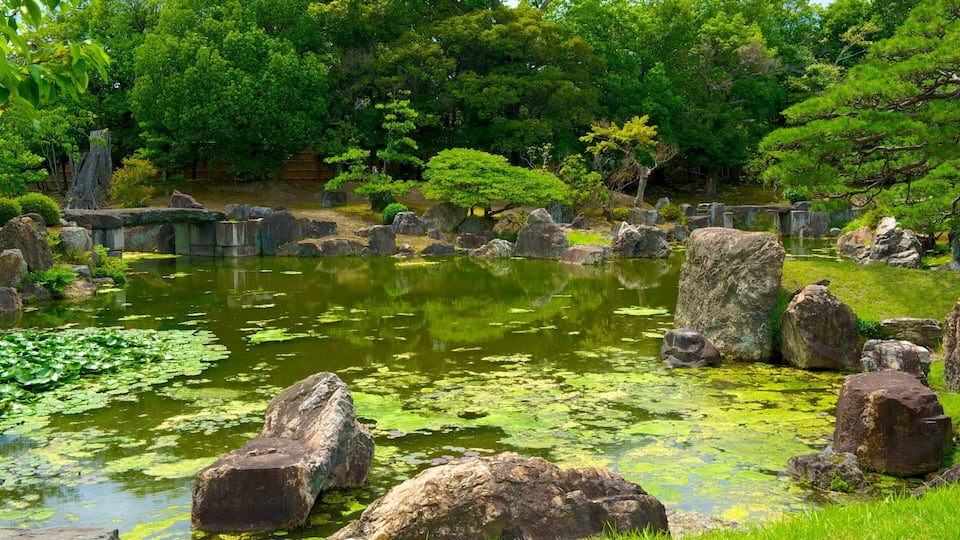
Find the best Kyoto Prefecture areas for the activities you enjoy most.

Central Kyoto

Travellers love Central Kyoto for its popular shops, and you can see more of Kyoto by jumping on the metro at Imadegawa Station or Kuramaguchi Station. You might spend time checking out top sights like Kawaramachi Street and Nishijin Textile Center.

Gion

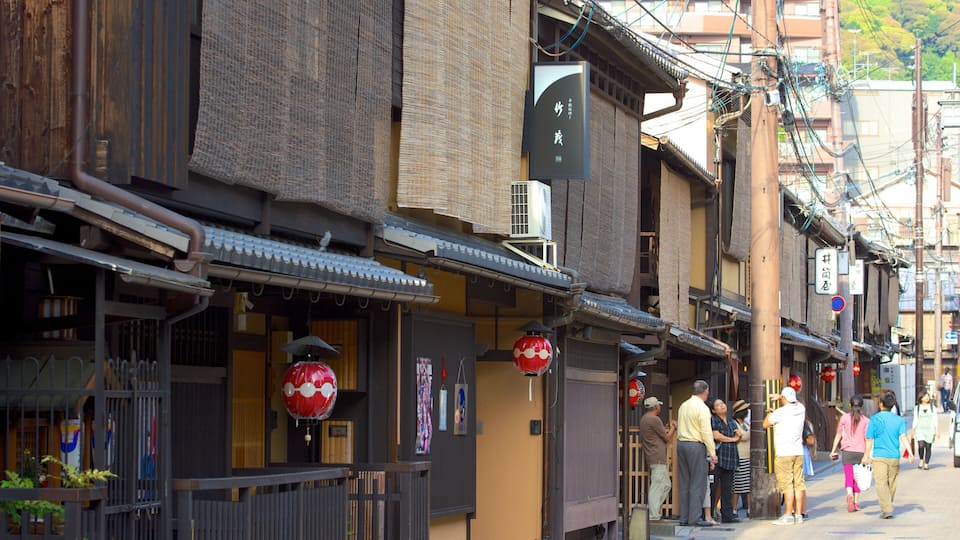
Unique features of Gion include the monuments and shopping. Make a stop by Yasaka Shrine or Hanamikoji Street while you're exploring the area.

Shimogyo Ward

Shimogyo Ward is highly notable for its popular shops, and you might want to visit top sights like Kawaramachi Street and Sumiya Pleasure House. See more of Kyoto by jumping on the metro at Tanbaguchi Station or Umekoji-Kyotonishi Station.
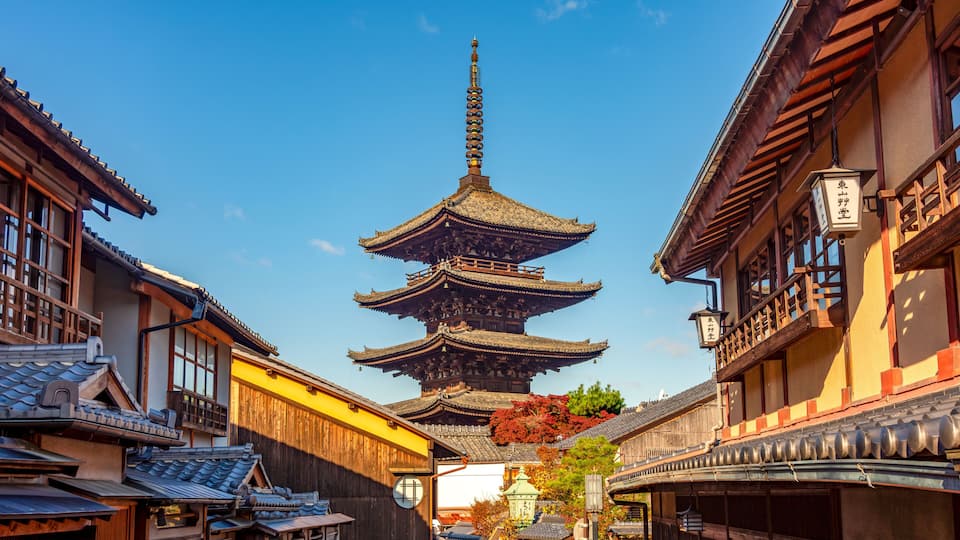
Downtown Kyoto

While you're in Downtown Kyoto, take in top sights like Kawaramachi Street or ShinPuhKan Shopping Center, and hop on the metro to see more of the city at Karasuma Oike Station or Marutamachi Station.

Higashiyama Ward

Consider a visit to Three-Year Slope and take some time to enjoy the abundant dining options during your time in Higashiyama Ward. If you want to see more of the city, jump on the metro at Higashiyama Station or Sanjo Keihan Station.


Looking for fun things to do nearby? Check things to do near me to find and book the best things to do, fun activities, and top attractions wherever you happen to be.

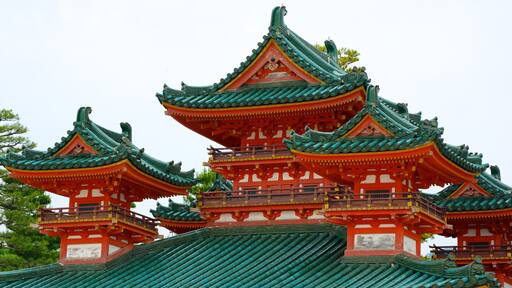


Day trip destinations from Kyoto Prefecture