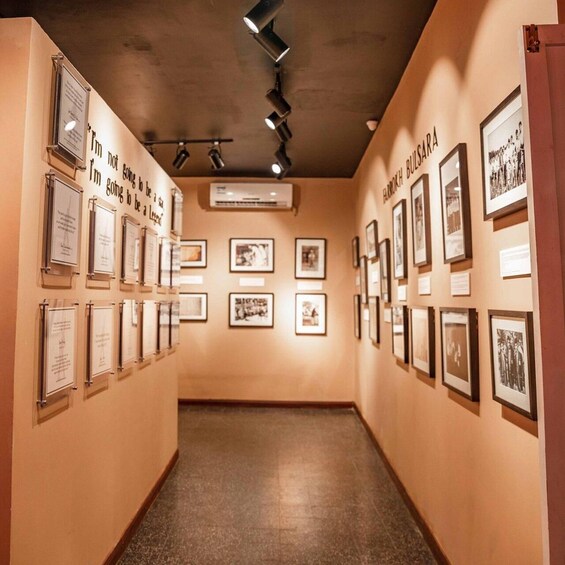
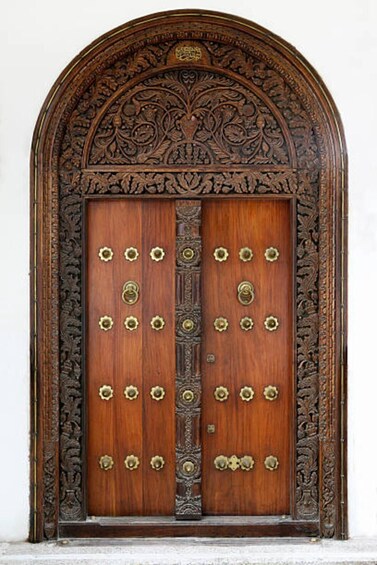
Step back in time and immerse yourself in the heart of Zanzibar’s history with a guided tour of Stone Town. This experience offers a deep dive into the cultural, historical, and architectural heritage of one of East Africa’s most iconic towns. Recognised as a UNESCO World Heritage Site, Stone Town is a labyrinth of narrow streets, ancient buildings, colourful markets, and tales that date back centuries, making it an essential stop for every traveller to Zanzibar.
Begin with a warm welcome from your guide who is well-versed in the history, traditions, and stories of the town. Start at the old Darajani Market, the busiest market in Zanzibar, where locals sell everything from fresh spices and tropical fruits to handcrafted souvenirs and traditional garments. This is the perfect place to witness the daily life of Zanzibaris and catch the vibrant rhythm of the island.
From there, move to the Old Dispensary, a beautifully restored colonial building that stands as a symbol of Stone Town’s diverse architectural influences, including Indian, Arabic, and European styles. Continue to the House of Wonders (Beit el Ajaib), once the tallest building in East Africa and the first to have electricity and an lift. Although currently under renovation, the building remains an important historical landmark and a photo stop for all visitors.
Just across is the Old Fort, built in the 17th century by Omani Arabs to defend the island against Portuguese invaders. The fort’s thick stone walls, now housing craft shops and a small amphitheatre, reveal stories of battles, resistance, and resilience. Nearby, visit the Sultan’s Palace Museum, which provides a fascinating look into the lives of Zanzibar’s former Sultans and royal families through exhibits of furniture, clothing, and personal artefacts.
The tour then takes a more sombre turn with a visit to the Slave Market Memorial, located on the grounds of the former Anglican Cathedral. Learn about the dark history of the slave trade in East Africa, with powerful stories and preserved underground slave chambers that give visitors a chilling glimpse into the past. The cathedral itself was built as a symbol of freedom and justice, with its altar said to stand where the whipping post once was.