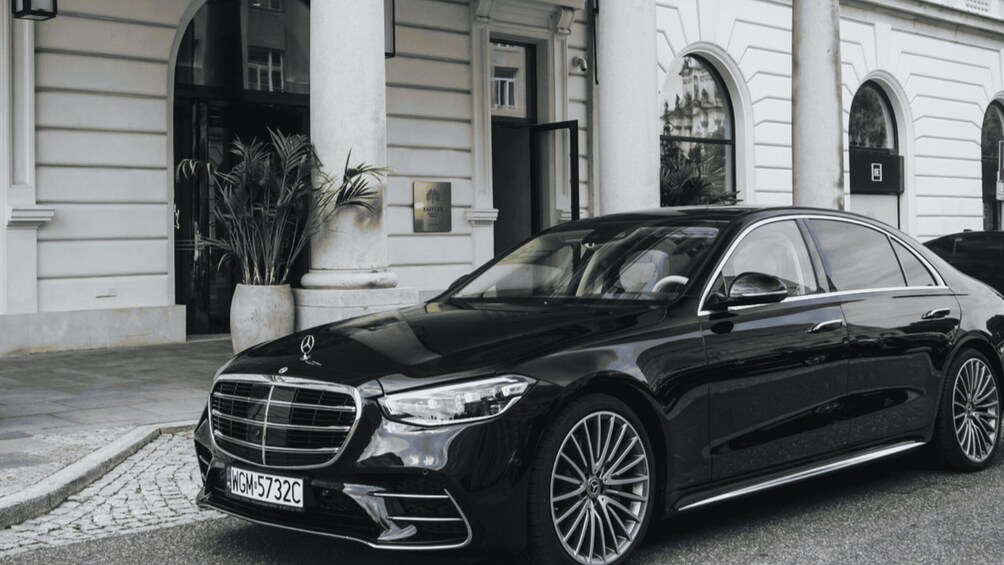
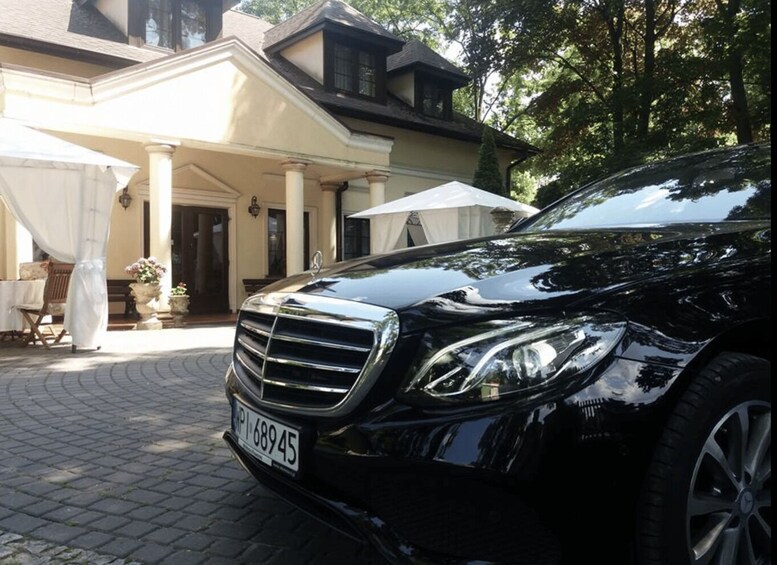
Explore Warsaw’s top sights with ease on a private car tour. Travel in style in a Mercedes vehicle and see key landmarks like Lazienki Park, the Old Town, and the Palace of Culture and Science.
Begin your tour with a visit to Lazienki Park, the largest park in Warsaw. Originally designed in the 17th century as a baths park for nobleman Stanisław Herakliusz Lubomirski, in the 18th century Łazienki was transformed by Poland's last monarch, Stanisław II Augustus, into a setting for palaces, villas, classicist follies, and monuments.
Next, head to the POLIN Museum of the History of Polish Jews. See the Umschlagplatz, Mila 18, and walk the area of the Polin Museum, with its commemorations and sculptures. Admire the Natan Rapaport monument, Jan Karski, and Leon Suzin sculptures.
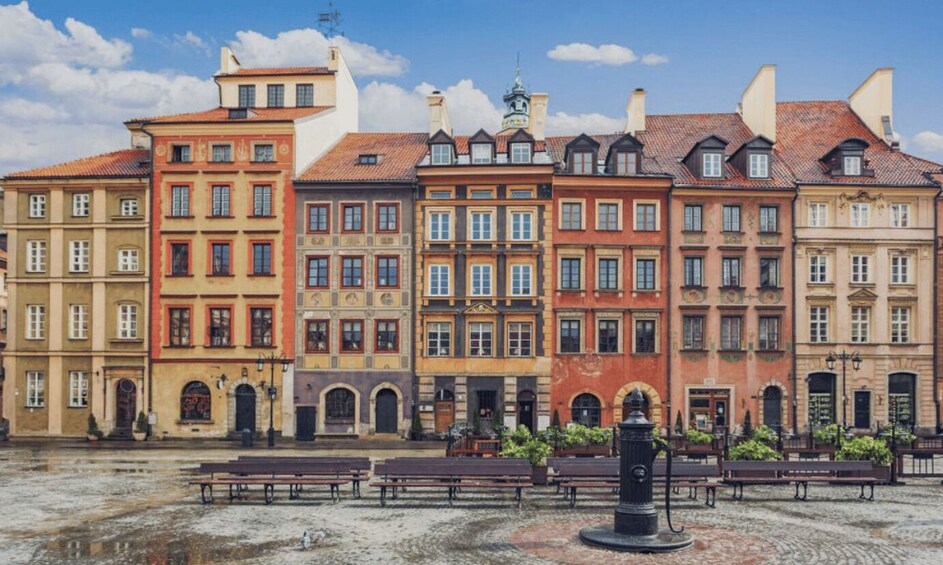
Continue to the Old Town, a bustling tourism hub with cobblestone alleys and medieval buildings reconstructed after WWII. At its heart is Rynek Starego Miasta, a busy square lined with burgher houses and upscale Polish eateries. Nearby, St. John's Archcathedral dates back to the 14th century and hosts summer concerts. The area is also home to the restored apartments and manicured gardens of the Royal Castle.
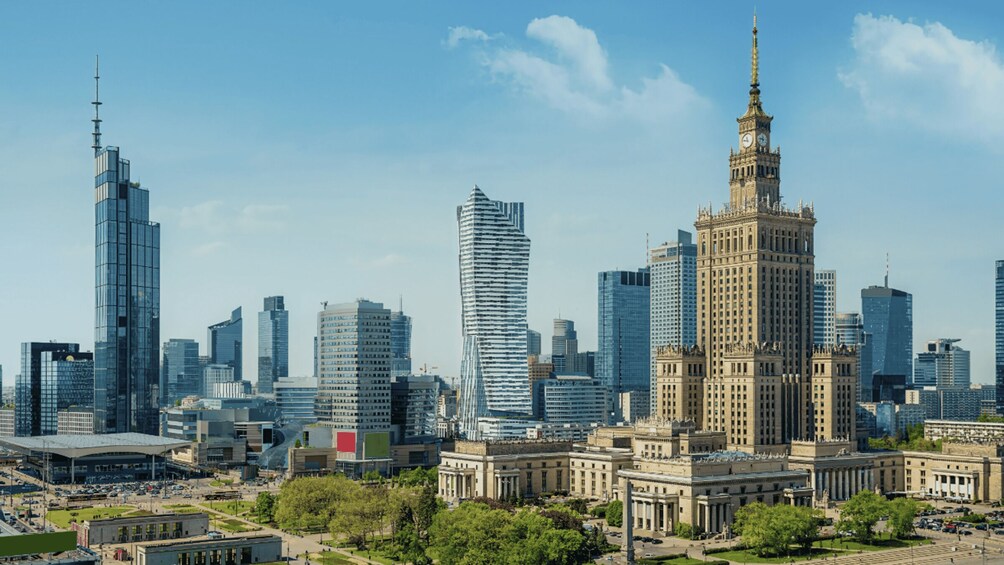
Next, see the Palace of Culture and Science, originally known as the Joseph Stalin's Palace of Culture and Science. In the wake of destalinization, the dedication to Stalin was revoked. Stalin's name was removed from the colonnade, interior lobby, and one of the building's sculptures.
Then, visit the Vistula Boulevards, a 5-kilometer-long riverside promenade that is a great place for a walk, a bike ride, or a night of fun in one of the seasonal clubs operating here.
Continue to the PGE National Stadium, a retractable roof football stadium located in Warsaw, Poland. It is used mostly for football matches and is the home stadium of the Poland national football team.
Next, visit the Warsaw Uprising Museum, dedicated to the Warsaw Uprising of 1944. The institution of the museum was established in 1983, but no construction work took place for many years. It opened on July 31, 2004, marking the 60th anniversary of the uprising.
Then, see the Monument to Maria Sklodowska-Curie. Take a closer look at Maria Sklodowska-Curie's birthplace and museum. She was the first female Nobel Prize winner.
Next, visit the Warsaw Uprising Monument. The Monuments to the Warsaw Uprising were first established in Warsaw in the 1970s. Prior to that, there were only monuments to the Red Army soldiers and the Polish National Army.
Continue to the Umschlagplatz, the term used during The Holocaust to denote the holding areas adjacent to railway stations in occupied Poland where Jews from ghettos were assembled for deportation to Nazi death camps.
Finally, visit the Memorial at Mila 18, the headquarters “bunker” of the Jewish Combat Organisation, a Jewish resistance group in the Warsaw Ghetto in Poland during World War II.