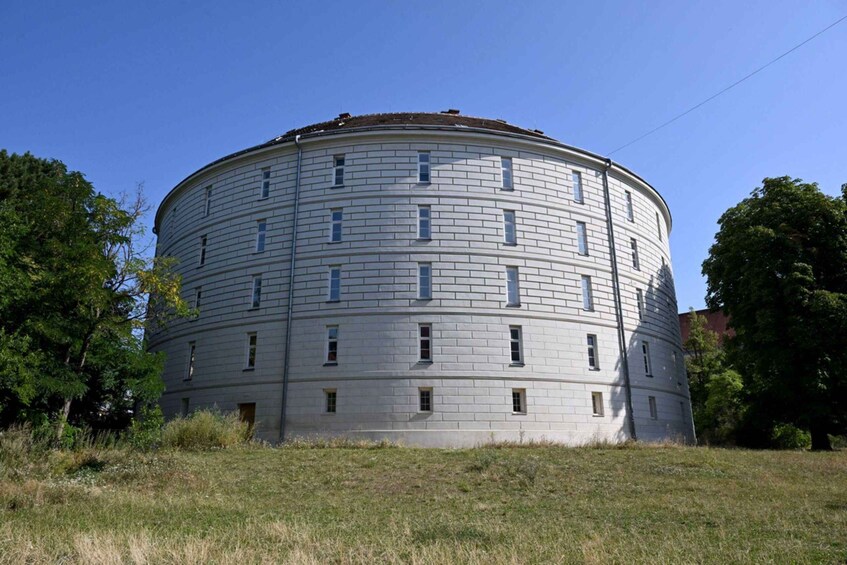
Step inside one of Vienna's most unusual and atmospheric landmarks: the Narrenturm – literally the “Fools' Tower” – a striking five-story round building commissioned by Emperor Joseph II and opened in 1784 as Europe's first dedicated psychiatric hospital. Its distinctive circular architecture, surrounding what was once the General Hospital, earned it its enduring nickname in Viennese folklore and makes it one of the most architecturally fascinating medical monuments on the continent. Today, the listed building belongs to the University of Vienna and houses the Pathological-Anatomical Collection of the Natural History Museum Vienna (NHM Wien) – a world-class institution that has served the documentation and study of disease for over 200 years.
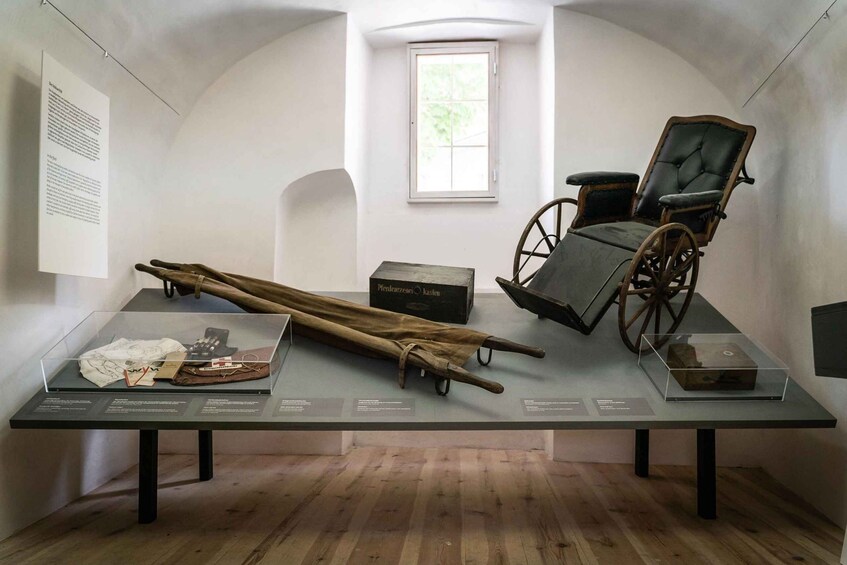
Inside, 19 newly designed exhibition rooms guide you through more than two centuries of pathology and the history of medicine. Your journey starts with the origins of the collection itself, moving from a 16th-century travel apothecary and original 18th-century textbooks all the way to the cutting edge of 21st-century molecular pathology. An interactive station lets you explore pathological histology in depth and understand how modern diagnostics actually work.
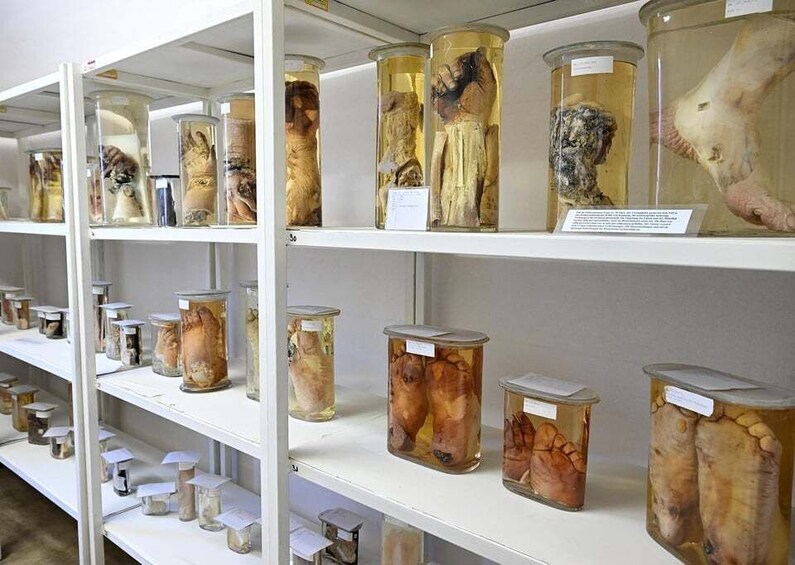
In the section on general pathology, you'll learn about cross-organ disease phenomena – inflammation, infections (with a special focus on tuberculosis), tumors, and both external and internal causes of disease – brought to life through numerous specimens from the collection. The organ pathology rooms then take you through each organ system, illustrated with wet specimens and moulages (highly realistic medical wax models). Life-size wall graphics explain the anatomical foundations, and at an augmented-reality station you can quite literally look inside your own body.
Two further interactive stations bring the history of the Narrenturm itself to life, showing the site before the tower was built and tracing how the building was used over the centuries. A separate area is dedicated to regularly changing temporary exhibitions, and at the end of your visit the museum shop offers some genuinely unusual souvenirs of your time at the Narrenturm.
The whole experience is curated together with medical specialists and follows current international guidelines on the handling of human remains – the presentation is respectful and informative, never sensationalist.