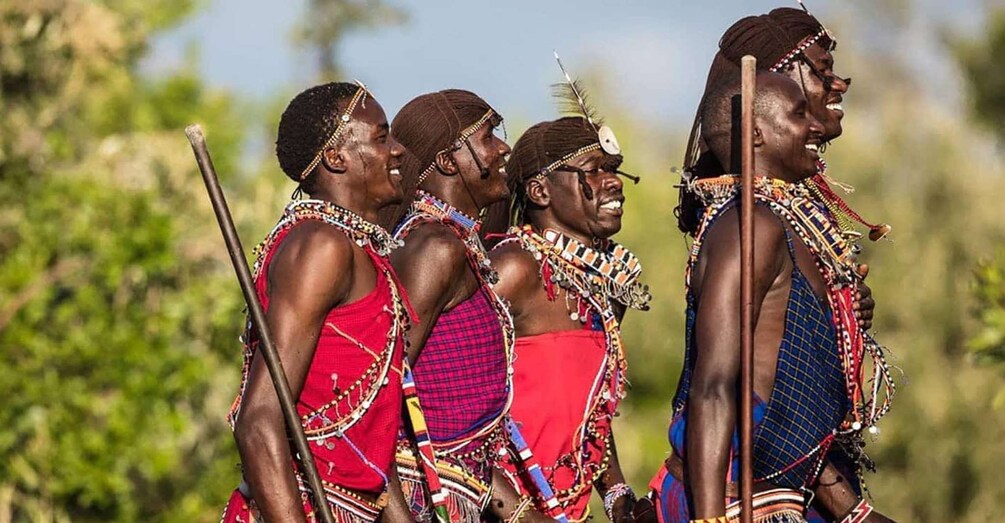
Begin your experience with a warm and vibrant welcome from the Maasai people, known for their distinctive red attire, intricate beadwork, and proud cultural identity. As you enter the village, be greeted with traditional songs and dances performed by Maasai warriors and women.
Watch the rhythmic chants and the famous high-jumping dance, known as “Adumu,” which are powerful expressions of unity, strength, and celebration deeply rooted in Maasai culture.
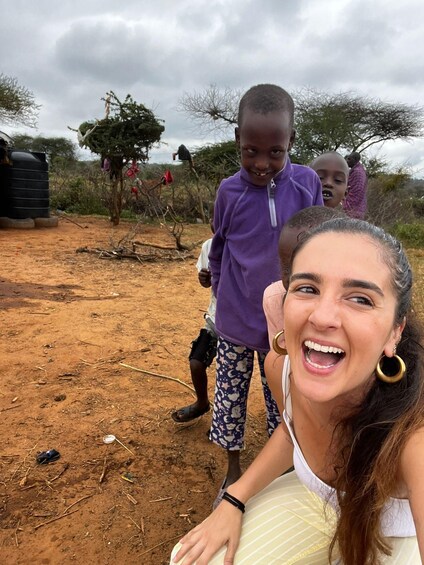
During your visit, be guided through the village to gain insight into everyday life. The Maasai live in traditional homes called manyattas, carefully constructed using natural materials such as mud, sticks, and cow dung. These homes are designed to suit their environment and lifestyle, reflecting a deep understanding of sustainability and resourcefulness.
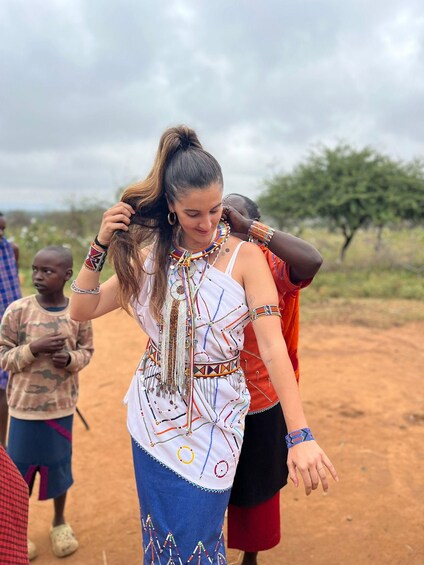
Be invited inside, where you learn about family structures, roles within the community, and the traditions that shape daily life. One of the most captivating aspects of the visit is the opportunity to engage with Maasai women, who are renowned for their exquisite beadwork.
Each piece of jewellery carries symbolic meaning, representing aspects such as age, marital status, and social standing. Watch these artisans at work—and even participate in bead-making—offering a personal and memorable connection to the culture. Purchase these handmade items to directly support local families and contribute to preserving this important craft.
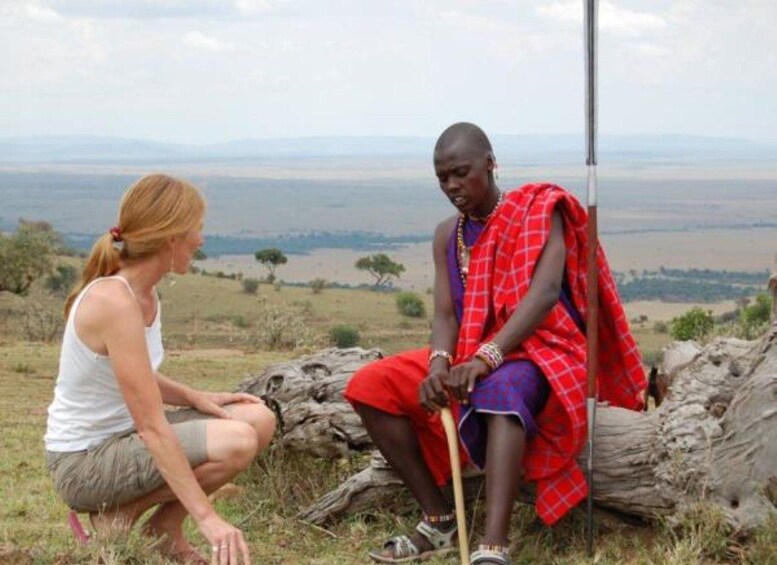
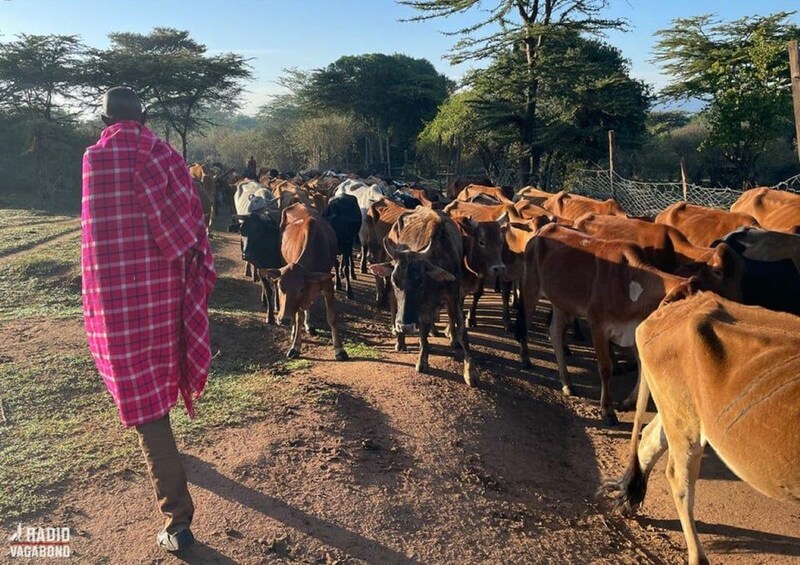
Learn about traditional practices such as cattle herding, which is central to Maasai livelihood and identity, as well as their use of herbal medicine and natural remedies. The guides, often Maasai themselves, share stories passed down through generations, offering a deeper understanding of their beliefs, customs, and way of life.
Gain a unique perspective on how the Maasai have maintained their traditions while adapting to the modern world. Despite the influence of globalization, the community continues to uphold its values, emphasising respect, community unity, and a strong connection to the land. This balance between tradition and change is both inspiring and thought-provoking.