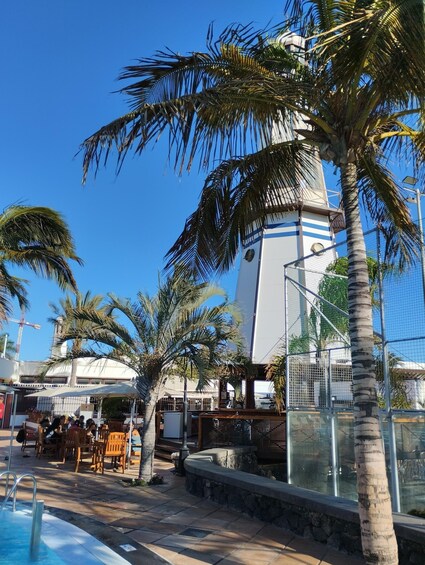
Begin your journey at the prestigious Centro Deportivo Fariones, an upscale sports oasis in the heart of Puerto del Carmen. Meeting here ensures you bypass the typical crowded beach shacks and enjoy a clean, comfortable, and premium environment.
Over a quick orientation, your expert local guide will walk you through the route, share the fascinating history of the local shipwrecks, and brief you on basic safety and free-diving (apnea) techniques.
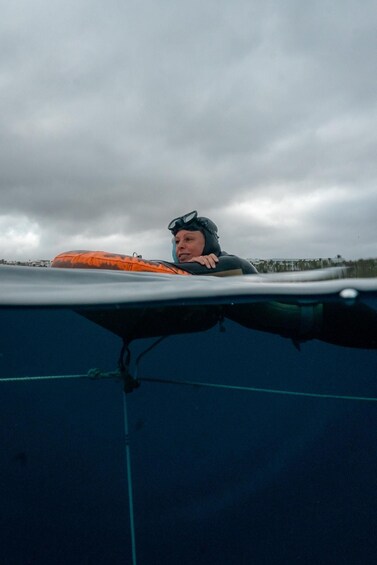
Get fitted with top-tier, thoroughly sanitised snorkelling equipment: a high-visibility panoramic mask, an ergonomic snorkel, high-performance fins, and a premium comfort-fit wetsuit. The wetsuit ensures you stay perfectly warm, buoyant, and comfortable throughout the adventure. You will have full access to changing rooms to prepare comfortably.
Once geared up, take a short walk to the stunning, iconic Playa Chica—famous for its dramatic black volcanic sand and crystal-clear waters. This sheltered natural bay acts as a perfect, current-free amphitheatre, allowing you to comfortably test your gear and get used to the water before heading out into the open blue.
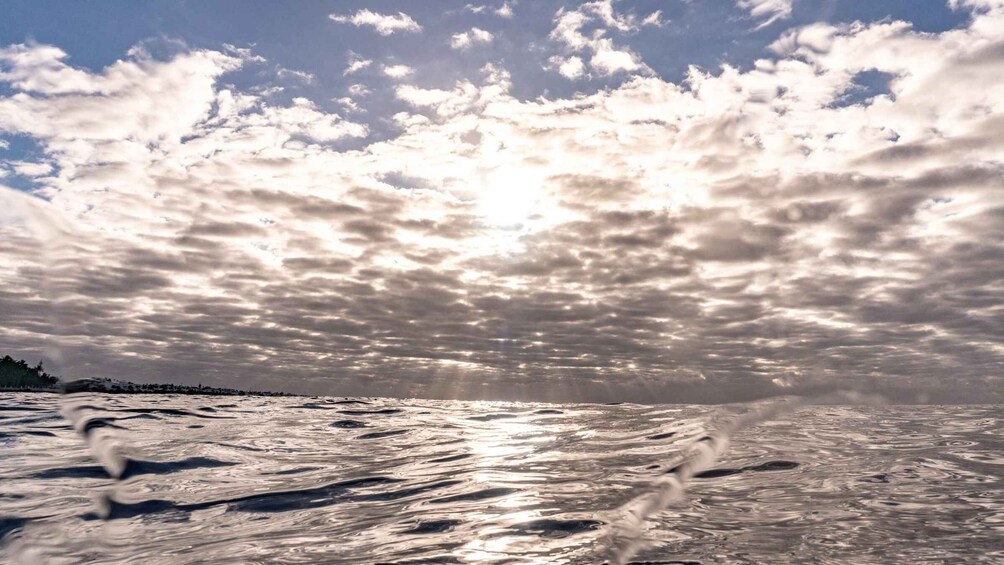
Begin your guided snorkel swim from the bay, charting a course towards the wreck site. This 25-minute scenic swim is an experience in itself. As you glide over volcanic reefs and sandy channels, your guide will point out Lanzarote’s rich marine biodiversity. Keep your eyes open for vibrant parrotfish, schools of ornate wrasse, cuttlefish, and—if you are lucky—majestic angel sharks or eagle rays resting on the seabed.
As the seafloor drops away, the hauntingly beautiful silhouette of the shipwreck will materialise beneath you. Thanks to Lanzarote’s world-renowned underwater visibility, the entire deck and structure of the boat can be appreciated directly from the surface.
Spend dedicated time at the site. If you want to stay on the surface and float peacefully, you can enjoy the incredible view. For the more adventurous, your guide will teach you how to take a breath, equalise, and perform skin-diving/apnea descents to get closer to the hull, look inside the structures, and swim alongside the marine life that now calls the wreck home.