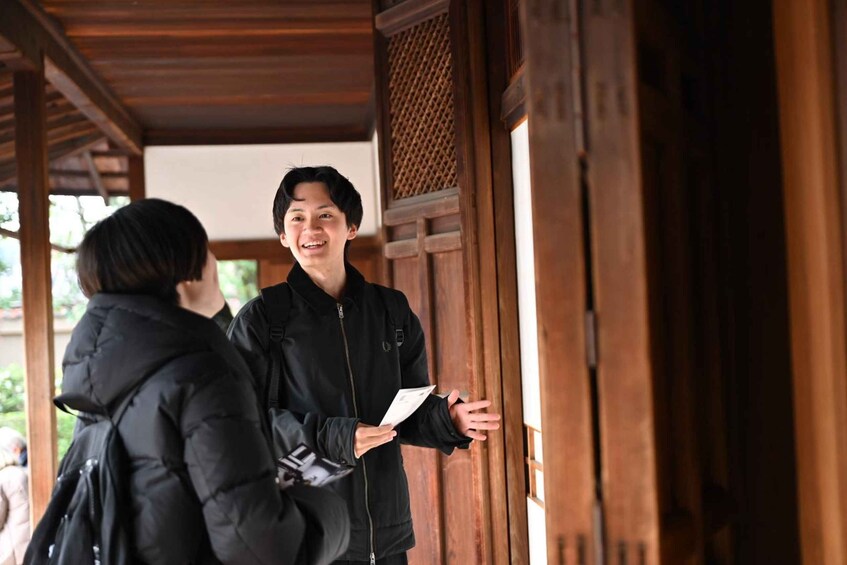
Escape the city bustle in Murasakino, Kyoto's serene northern district. Here stands Daitokuji, a monumental Zen complex rebuilt by powerful Sengoku-period warlords after being devastated by war.
Sub-temples built by these warlords as if to carve their legacies into history… Tea rooms and gardens that carry on the spirit of the great master Sen no Rikyu… This crossroads of powerful samurai history and the delicate culture of tea is the true allure of Daitokuji.
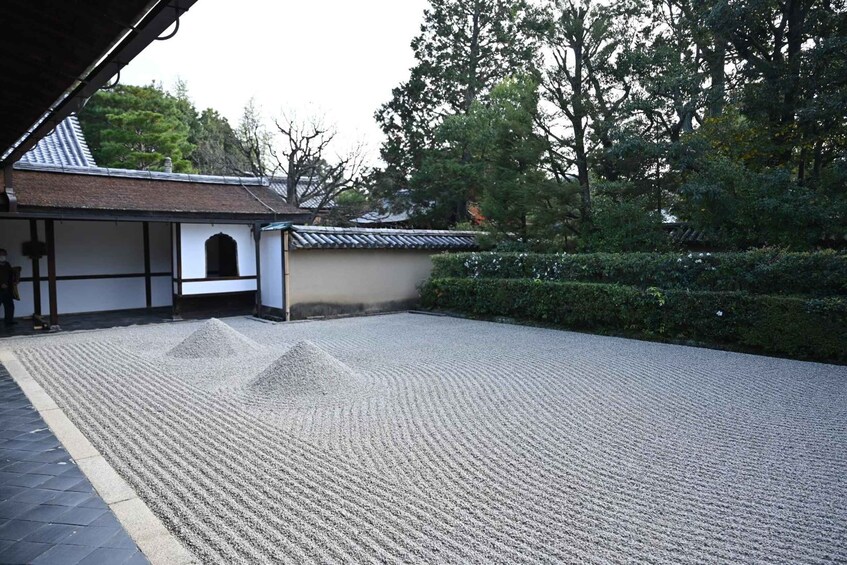
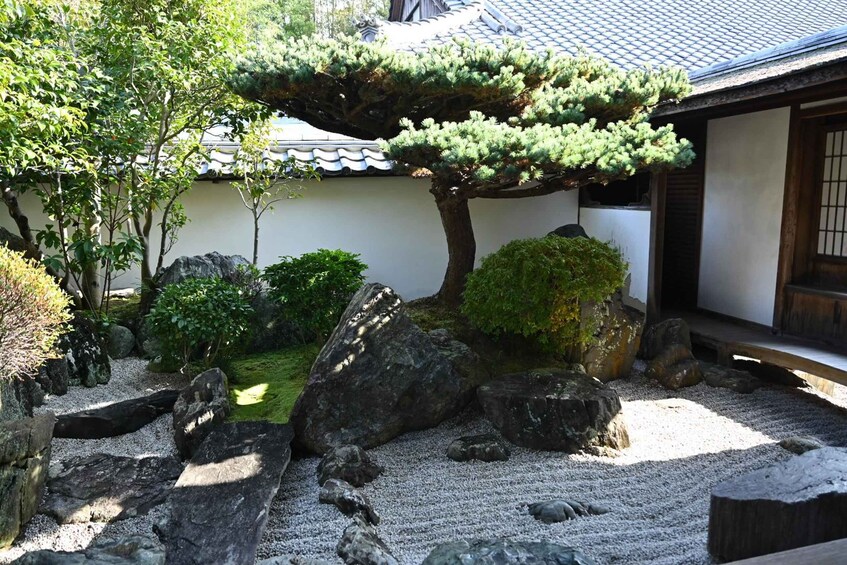
Our journey begins at Daisen-in, which features Japan’s oldest surviving entrance. The main hall has stood for over 500 years, overlooking a Dry Landscape Garden (karesansui) wrapped in profound silence. Feel the stillness of its dignified, unchangeable beauty.
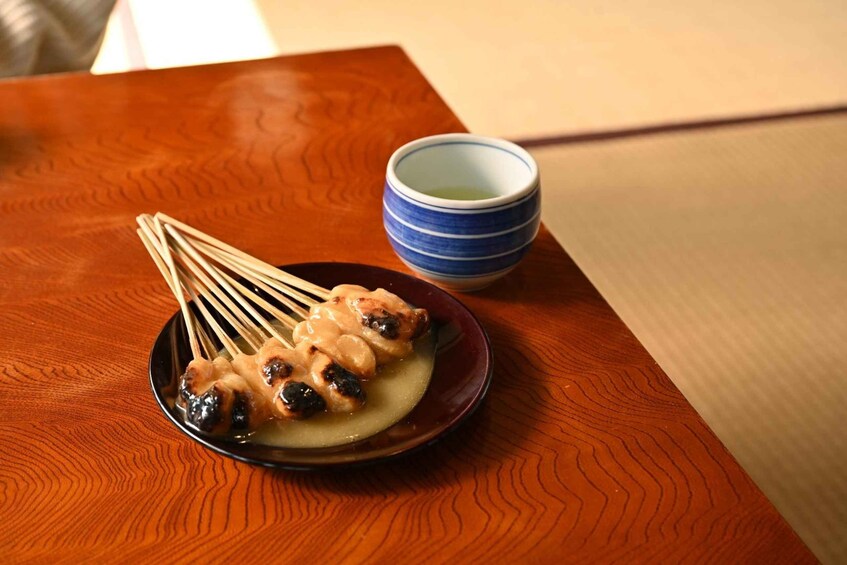
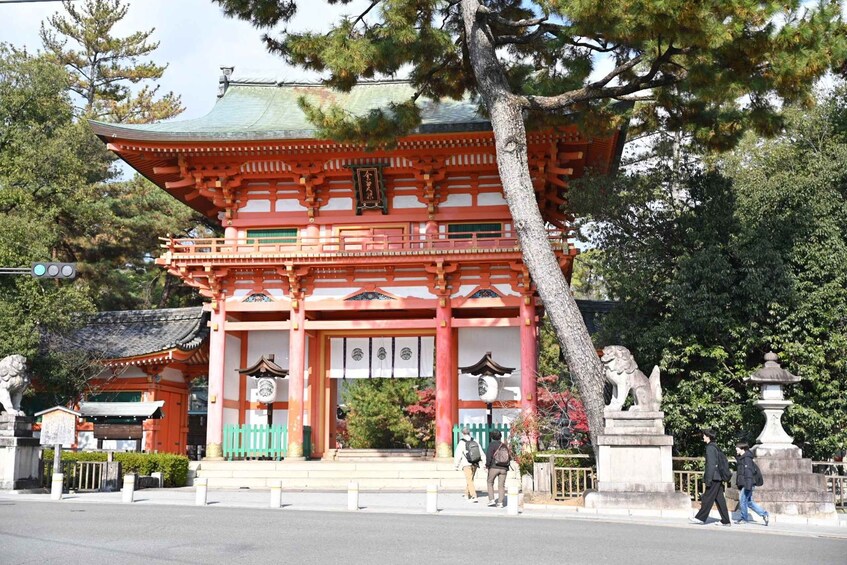
After immersing yourself in the deep history of Daitokuji, we will walk through the approach of “Imamiya Shrine,” worshipped since the Heian period, to visit a 400-year-old established teahouse. Here, we will enjoy the famous “Aburi-mochi.”
Enjoy a fulfilling moment savouring both the “Spirit of Zen” and “Daily Life of Kyoto” in a short time.