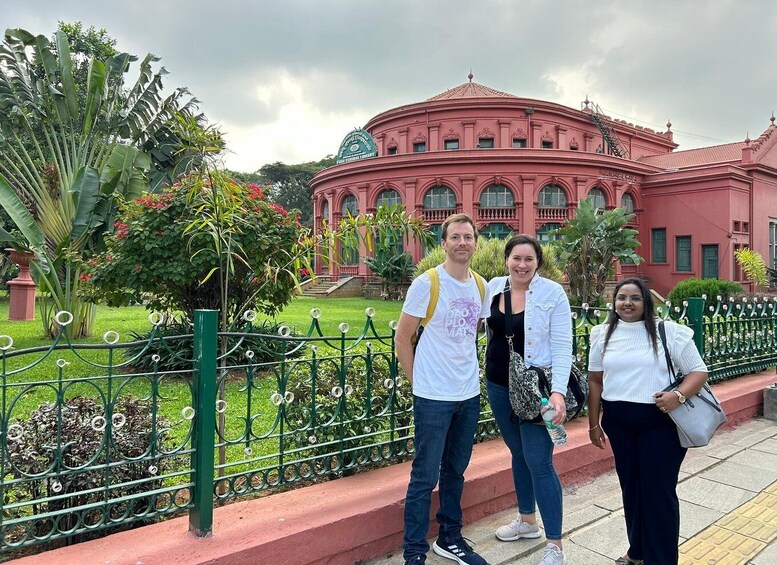
Bangalore looks like a modern city. It is not.
Scratch the surface and you will find a place shaped by medieval chieftains, Mughal governors, Hindu kings, Muslim sultans, British colonists, and maharajas of extraordinary wealth and vision—all leaving their mark on the very streets you explore today.
This full-day, expert-guided tour tells that storey in full. Over eight hours, you will move through seven carefully chosen stops that together trace the complete arc of Bangalore's evolution—from its origins as a cluster of hamlets in the distant past, to a small fortified settlement in 1537, to the sprawling, layered metropolis it has become. Each stop connects to the next; each storey builds on the last.
Your guide is not a tour operator—they are a local historian and storyteller who has spent years studying this city and knows how to bring it alive. No scripts, no rushed commentary—just genuine expertise, delivered at a pace that allows you to absorb, ask questions, and truly understand the place you are standing in.
This is the tour that turns a city visit into a city understood.
HIGHLIGHTS
Begin at Lalbagh, one of Asia’s finest botanical gardens, and hear the storey of Bangalore’s 1,000-year evolution in one of the city’s most beautiful and peaceful settings
Visit the 400-year-old Bull Temple and its legendary monolithic Nandi—one of the most atmospheric heritage sites in South India
Explore Bangalore Fort, where Kempe Gowda’s original 1537 mud citadel once stood and Tipu Sultan’s dramatic history unfolded
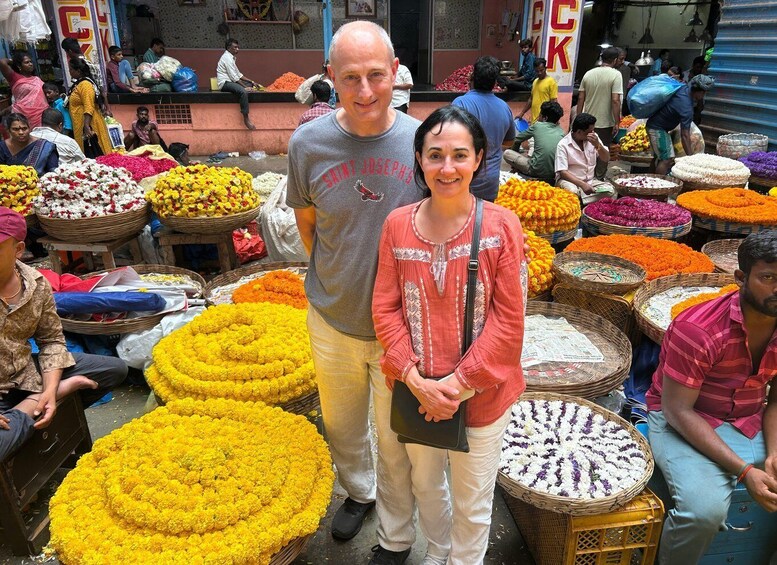
Immerse yourself in KR Market—one of the largest and most vibrant markets in South India, overflowing with flowers, spices, and daily life
Sit down to a traditional South Indian thali lunch at MTR (Mavalli Tiffin Rooms), one of India’s most iconic restaurants, serving Bangalore since 1924
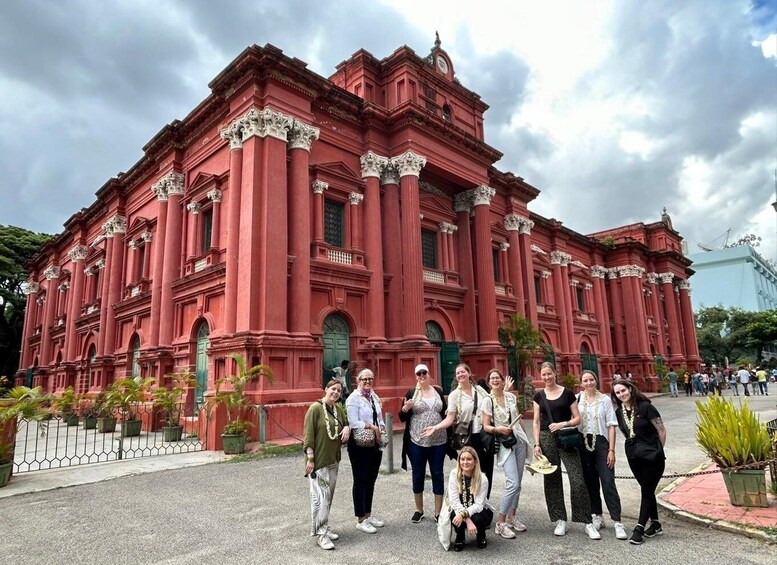
Stand before Vidhana Soudha, the magnificent seat of Karnataka’s government and one of the most photographed buildings in Asia
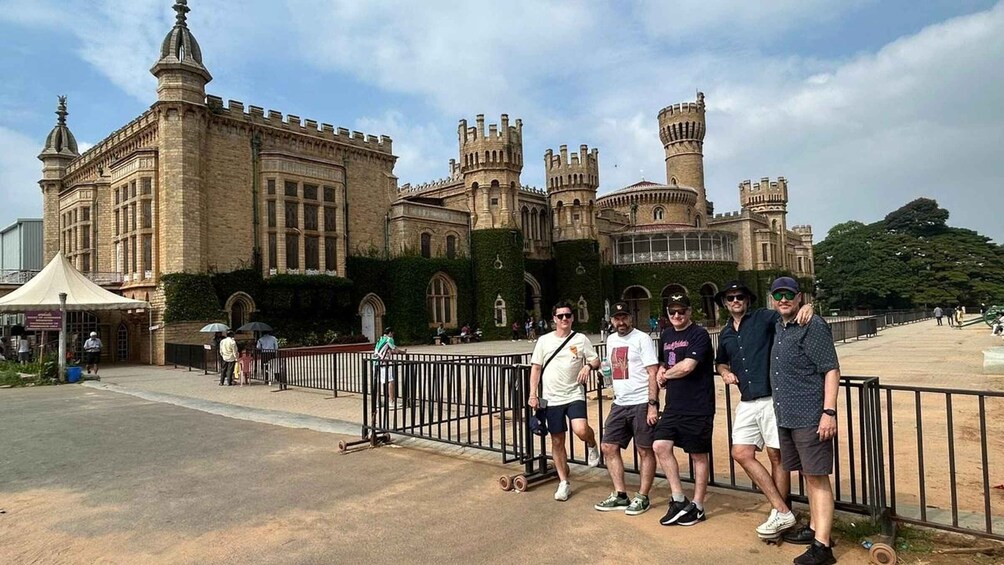
Conclude at Bangalore Palace—an English country-style royal residence built in the 1870s, modelled on European castles, and still owned by the Wodeyar royal family