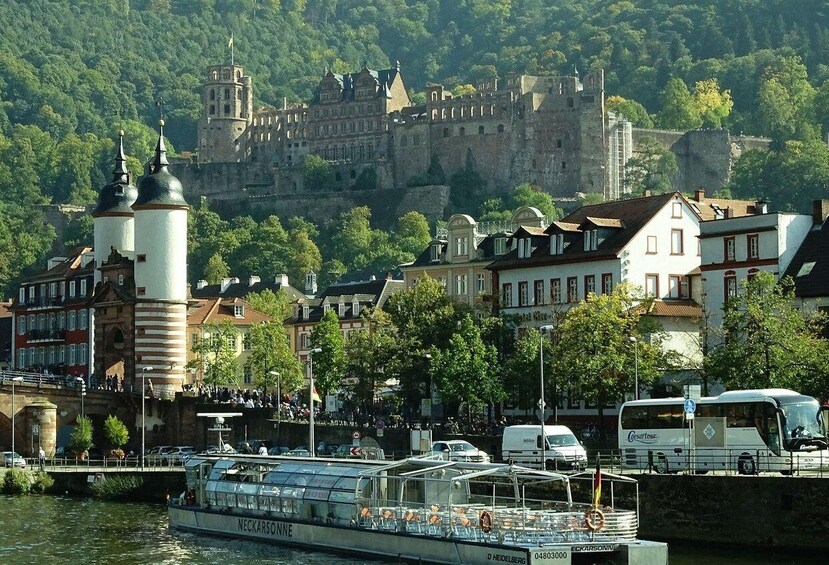
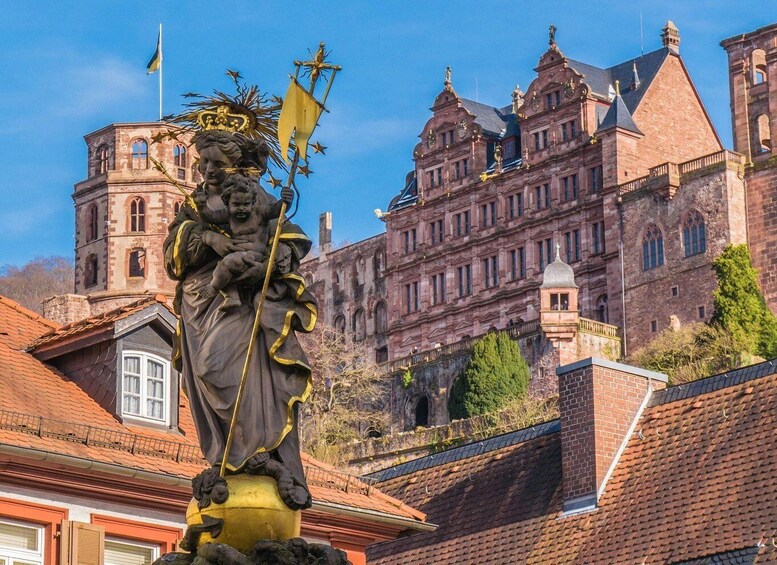
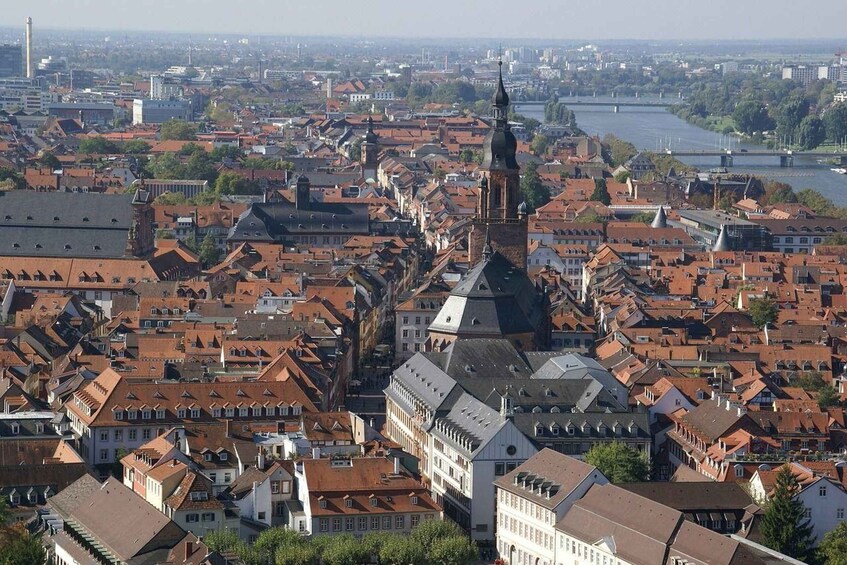
Heidelberg, nestled along the Neckar River, has long stood as a symbol of German academic tradition and scenic charm. Established in 1386, its university is the oldest in Germany and one of the oldest in the world, having played a central role in the country’s intellectual and political life. The town developed around the university, drawing scholars, writers, and students for centuries. Notable features include the Student Jail, once used to discipline unruly students while still allowing them to attend lectures, and the Heidelberg Castle, partially ruined but historically significant as a seat of the Palatinate Electors and a key site during the Thirty Years’ War.
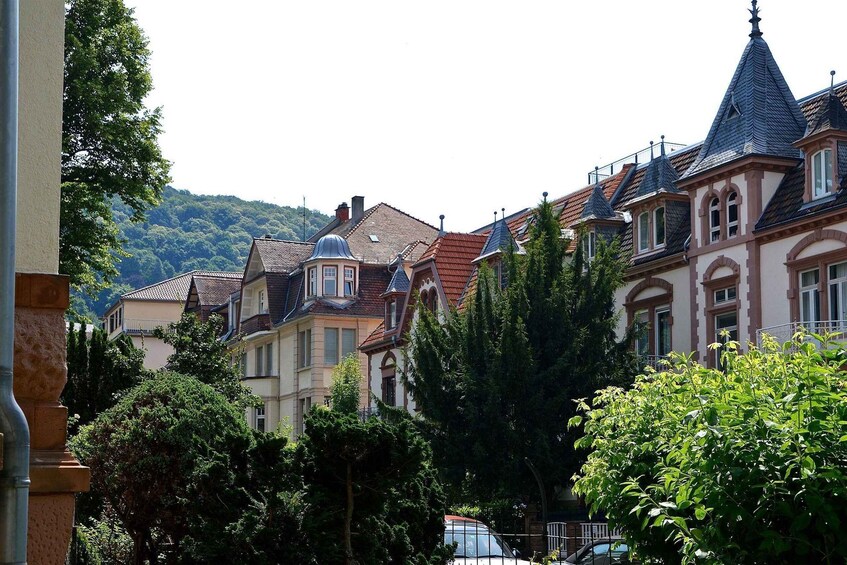
Today, Heidelberg blends medieval heritage with modern vitality across its 15 areas. The Old Town’s Hauptstraße is among Europe’s longest pedestrian streets, lined with shops, cafes, and historic buildings. The city’s multicultural identity and connection to research and innovation draw professionals and creatives from around the world. Baroque architecture, narrow lanes, and market squares are set against a backdrop of forested hills, offering a setting that inspired writers of the Romantic era. From its role in religious and academic reform to its current status as a hub of knowledge and culture, Heidelberg continues to balance history with contemporary life.