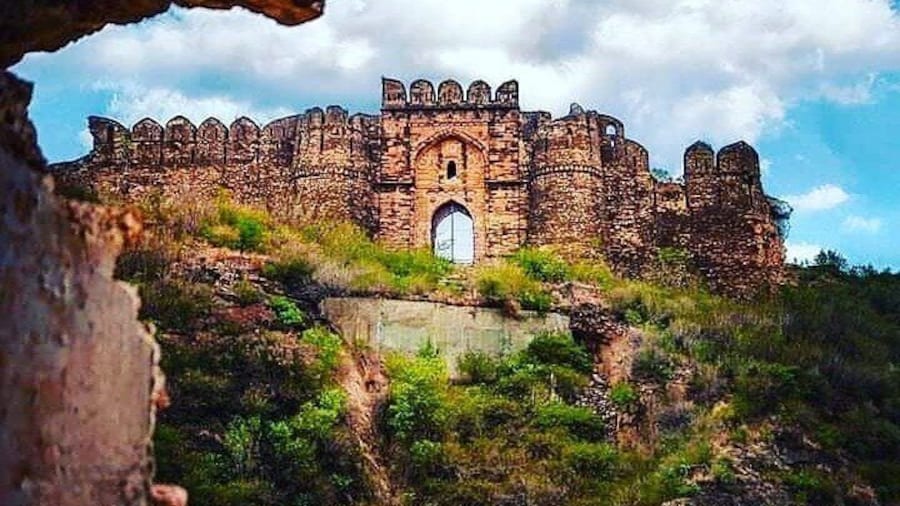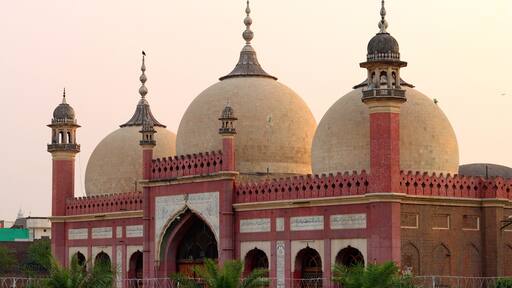
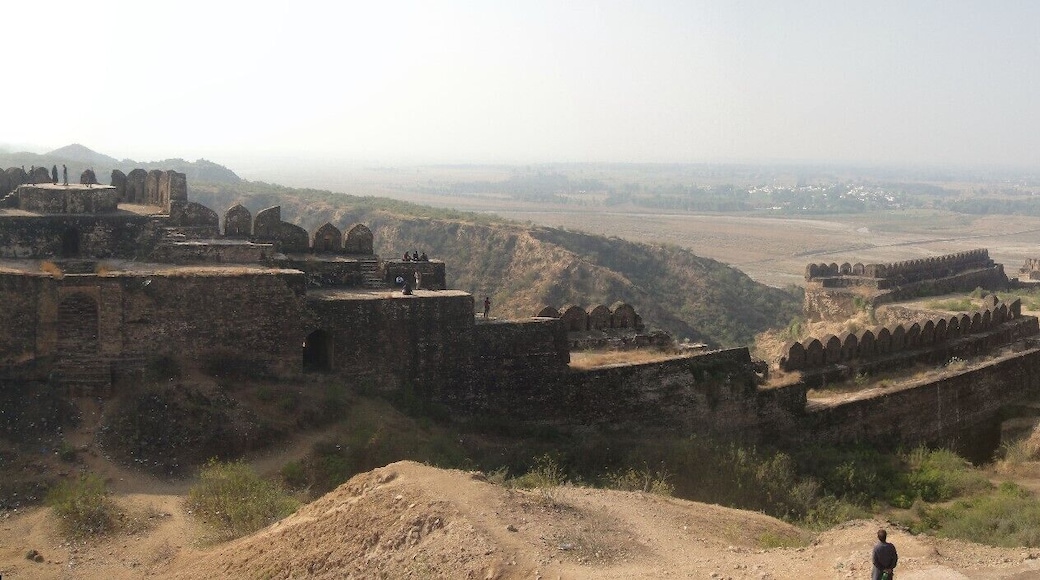
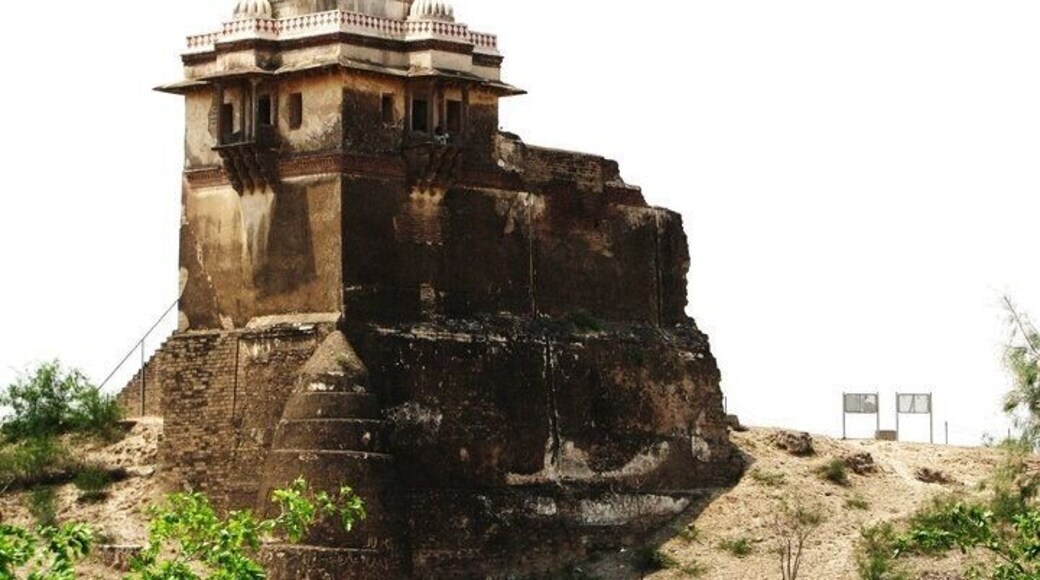
Ready for the adventure of a lifetime? Let Expedia.co.nz help you find the most exciting and fun things to do in Rohtas, Punjab while also allowing you to save a ton on travel arrangements. Regardless of whether you’re an urban explorer or an intrepid outdoor enthusiast, we can help you decide exactly what to do and see during your time in town.
Our thorough travel guides offer you an insider’s perspective on all of the best Rohtas attractions from NZ$437, making it easy for you to decide which places to visit and when. And by using Expedia.co.nz to set your sightseeing schedule, you can take in more of the enchanting attractions this area is famous for.
From group Rohtas tours and must-see landmarks to personal guides who take you off-the-beaten track, Expedia.co.nz offers you over 1 of the most popular events, activities, and attractions in this corner of the world. So whether you’re travelling alone, alongside a loved one, or with the whole family in tow, be sure to browse through our extensive travel guides prior to your plane touching down in this spectacular Rohtas. We even have a massive selection of flights, car hires, and accommodation for you to choose from. So what are you waiting for? Start your search today, and you’ll be having the time of your life before you know it.