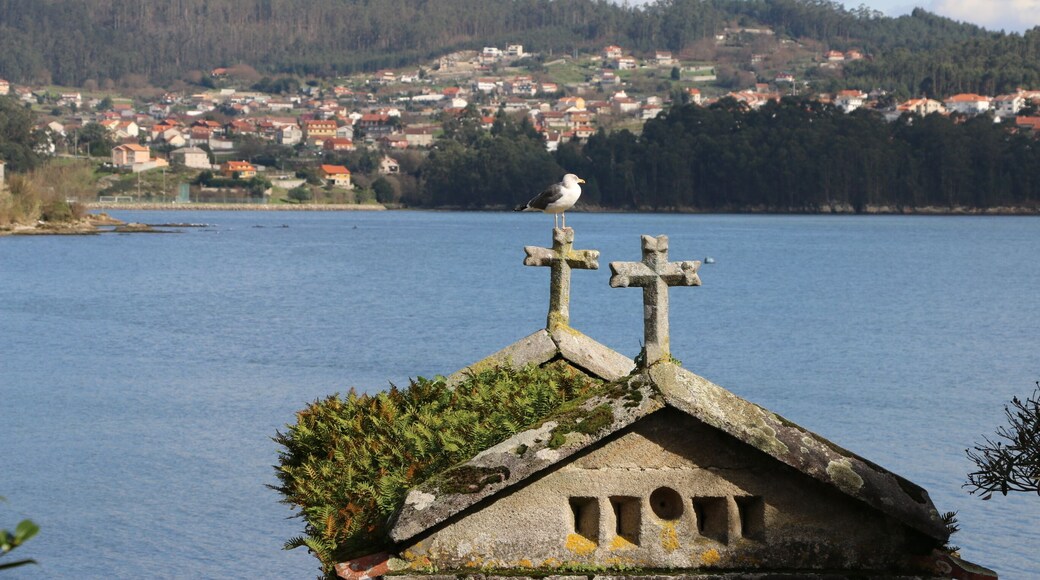

Crumbling medieval relics, Cantabrian Mountains, open meadows and extensive Atlantic coastline provide the backdrop for adventures in this Galician province.
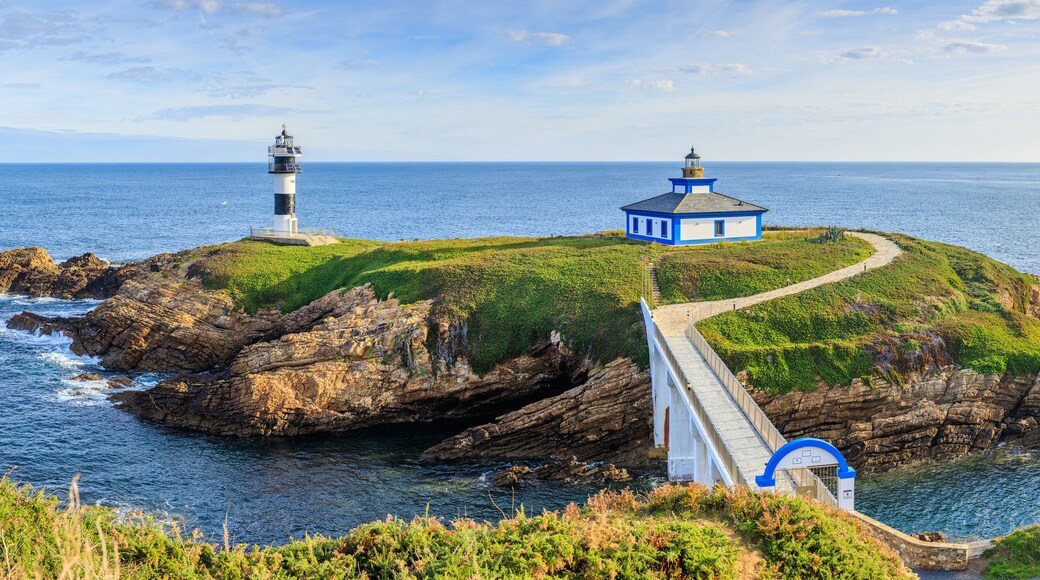
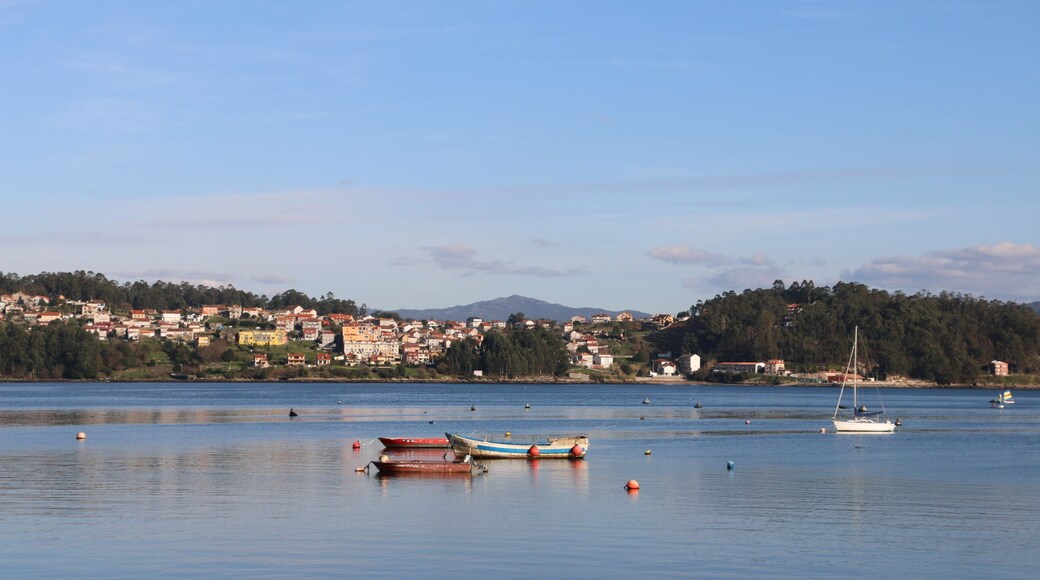
Experience the dramatic scenery of Lugo on a road trip through the spectacular mountain valleys or as a part of the unforgettable Way of St. James trail. Historic monasteries and Romanesque churches pepper the ancient pilgrimage route and medieval fortresses loom from the rolling hilltops. Explore fascinating nature reserves that protect Galicia’s untamed wilderness. To the north of the province, you’ll find the 60-mile (100-kilometer) Bay of Biscay coastline adorned with beaches, fishing villages and pretty port towns.
The provincial capital is the city of Lugo, a former Roman settlement encircled by magnificently preserved 3rd-century walls. Explore the inland city’s historic center to admire its UNESCO World Heritage-listed fortifications and exquisite 16th-century buildings. Early Roman settlers took advantage of the nearby thermal springs, which have been transformed into curative spas. Soak your muscles in the warm waters or indulge in a remedial treatment.
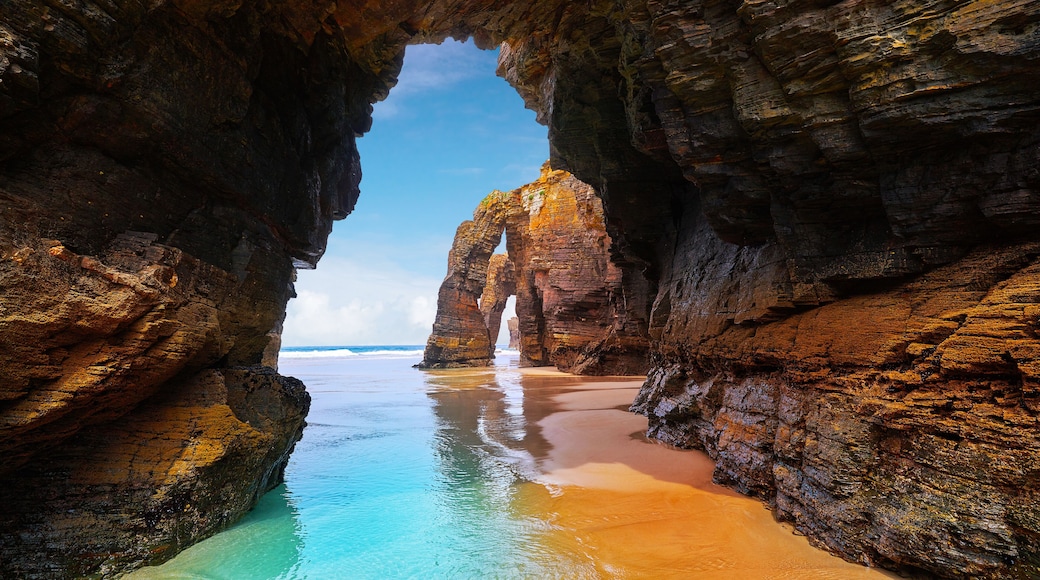
Throughout the province’s interior, you’ll find awe-inspiring nature reserves. Explore the lush riverside parklands of the Terra do Miño Biosphere Reserve or venture into the nature reserve that straddles the border of Galicia and Asturias at the Río Eo, Osco y Terra de Burón Biosphere Reserve. The province’s coastline extends between Ribadeo and the Barquero Estuary. Near Ribadeo, you’ll find the striking sea stacks and geological formations of La Catedrals on Augas Santas Beach.
The Way of St. James (Camino de Santiago) is the best way to explore Lugo’s historic monasteries and churches. Visit Monforte de Lemos or Mondoñedo to see some of the province’s best examples of Romanesque and Gothic architecture.
Be sure to try some of Lugo’s renowned shellfish dishes. You might try freshly caught octopus with pimentón red peppers or cured pork with turnip greens.
Lugo is situated within the ruggedly beautiful region of Galicia in northwestern Spain. There is an airport in Lavacolla, which is a 2-hour drive from the city of Lugo. You can also reach the region via train from Madrid, Bilbao and Barcelona. Regional train services provide access to some of Lugo’s cities however, it is easiest to rent a car and drive when exploring the province. Experience ancient history amid magnificent landscapes in the province of Lugo.