Verified
8/10 Good
Abhishek
20 Mar 2026
Liked: Staff & service
Abhishek
Stayed 1 night in Mar 2026









You'll be asked to pay the following charges at the property. Fees may include applicable taxes:
We have included all charges provided to us by the property.
The above list may not be comprehensive. Fees and deposits may not include tax and are subject to change.
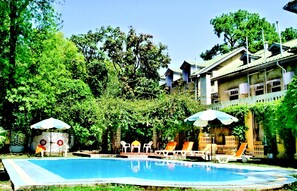
Yes, this property has an outdoor pool.
As of 11 Jun 2026, prices found for a 1-night stay for 2 adults at WelcomHeritage Taragarh Palace on 1 Jul 2026 start from NZ$109, including taxes and fees. This price is based on the lowest nightly price found in the last 24 hours for stays in the next 30 days. Prices are subject to change. Choose your dates for more accurate prices.
No, pets are not allowed at this property.
Self-parking and valet parking are free at this property.
Check-in start time: 2 PM; check-in end time: noon.
Checkout is at noon.
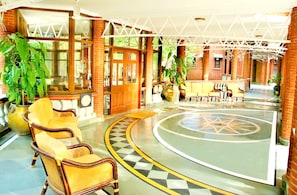
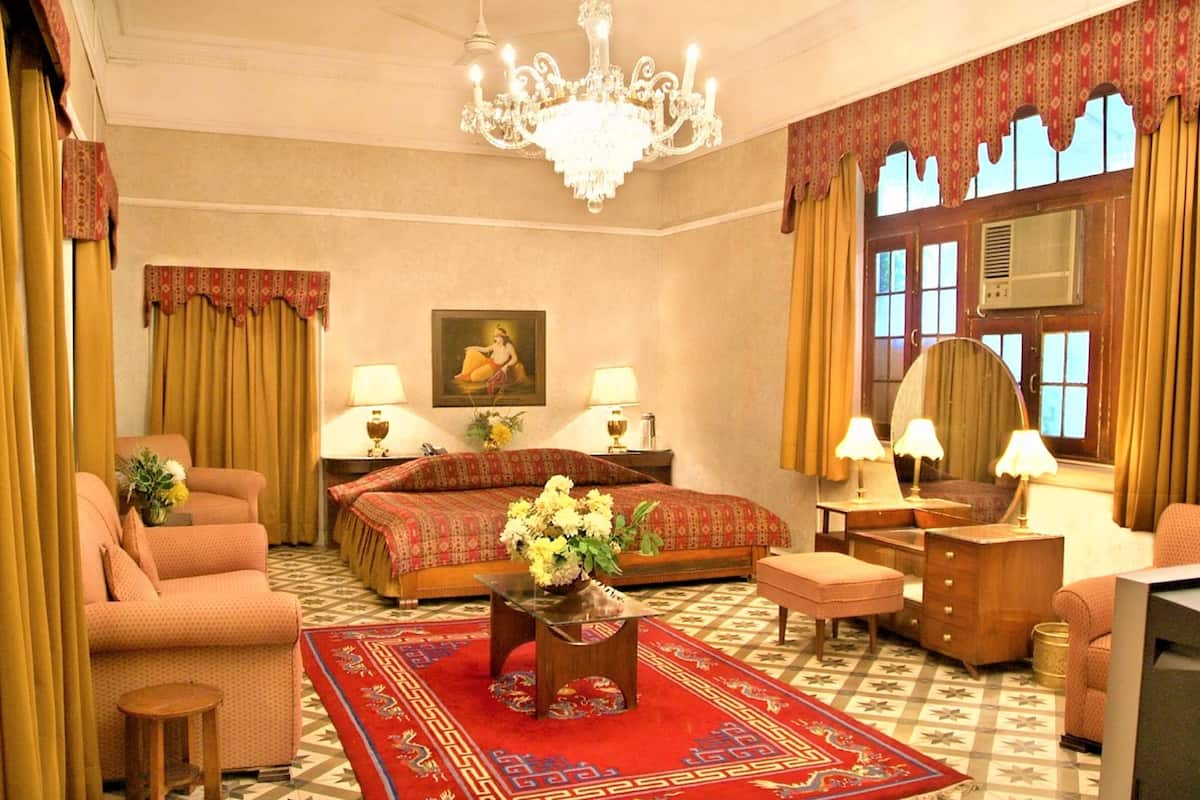
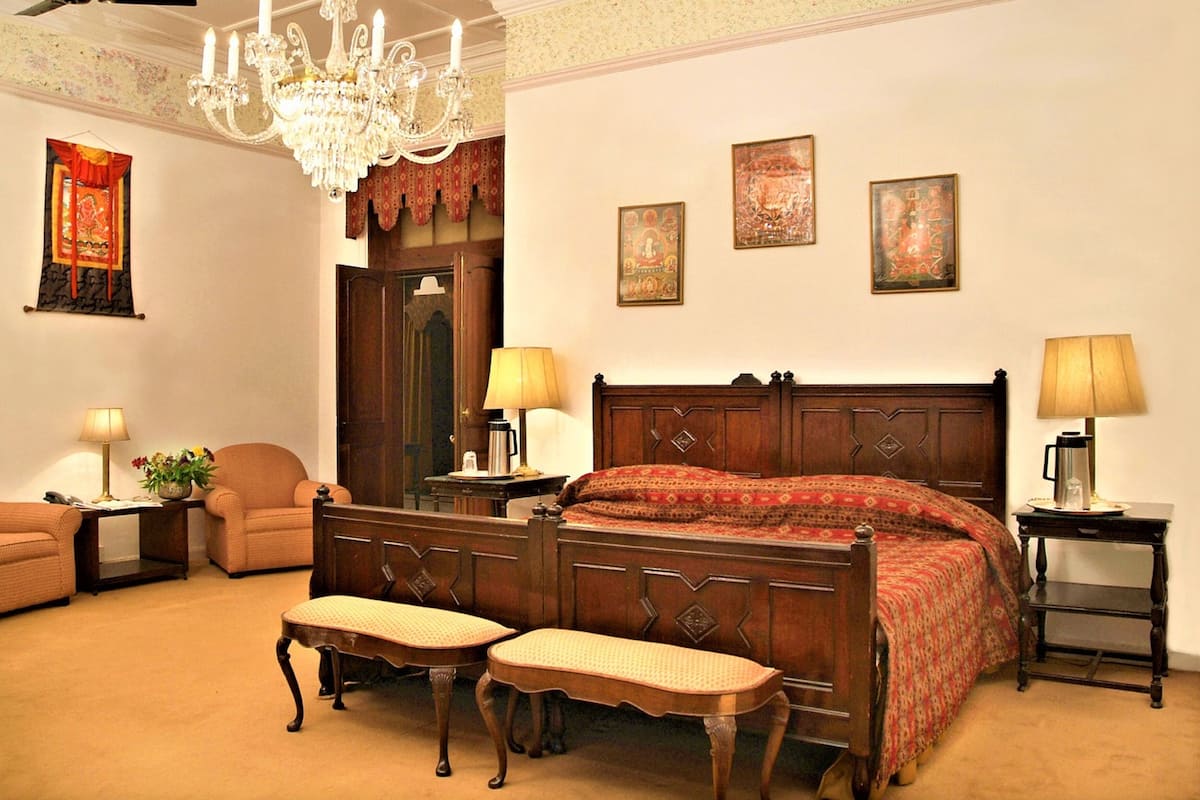
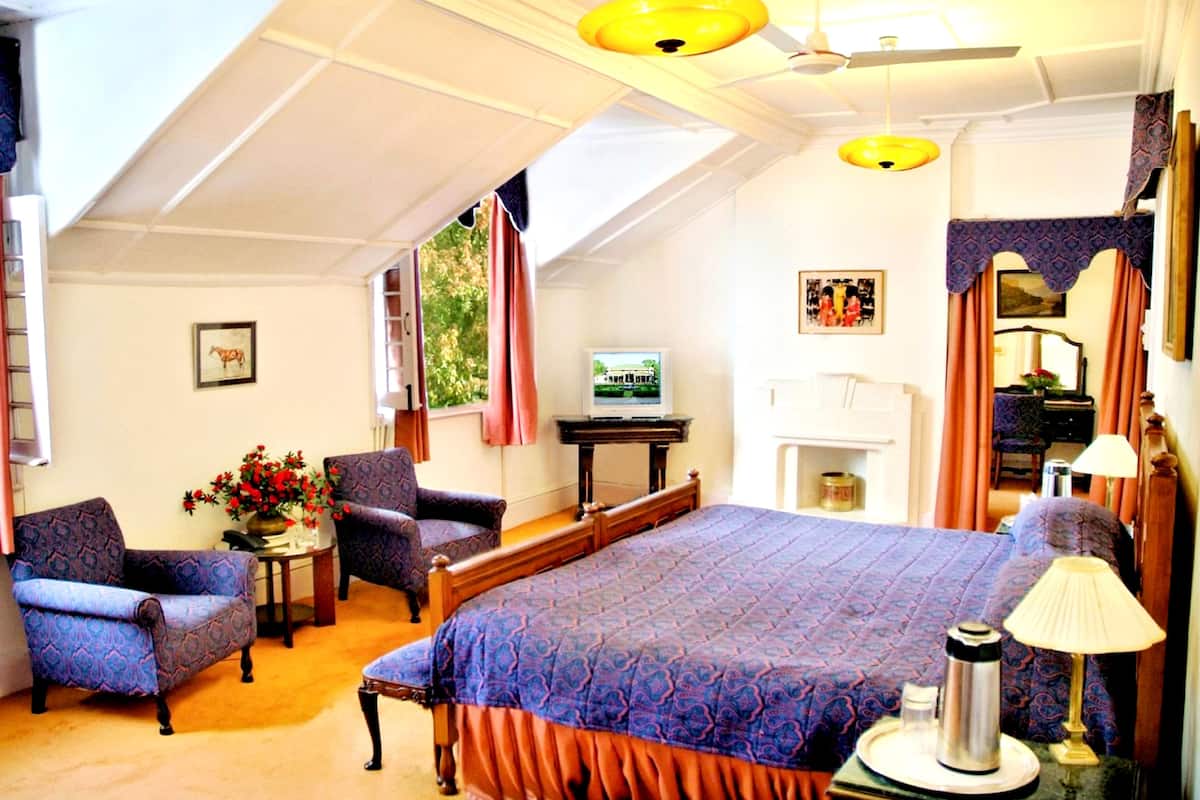
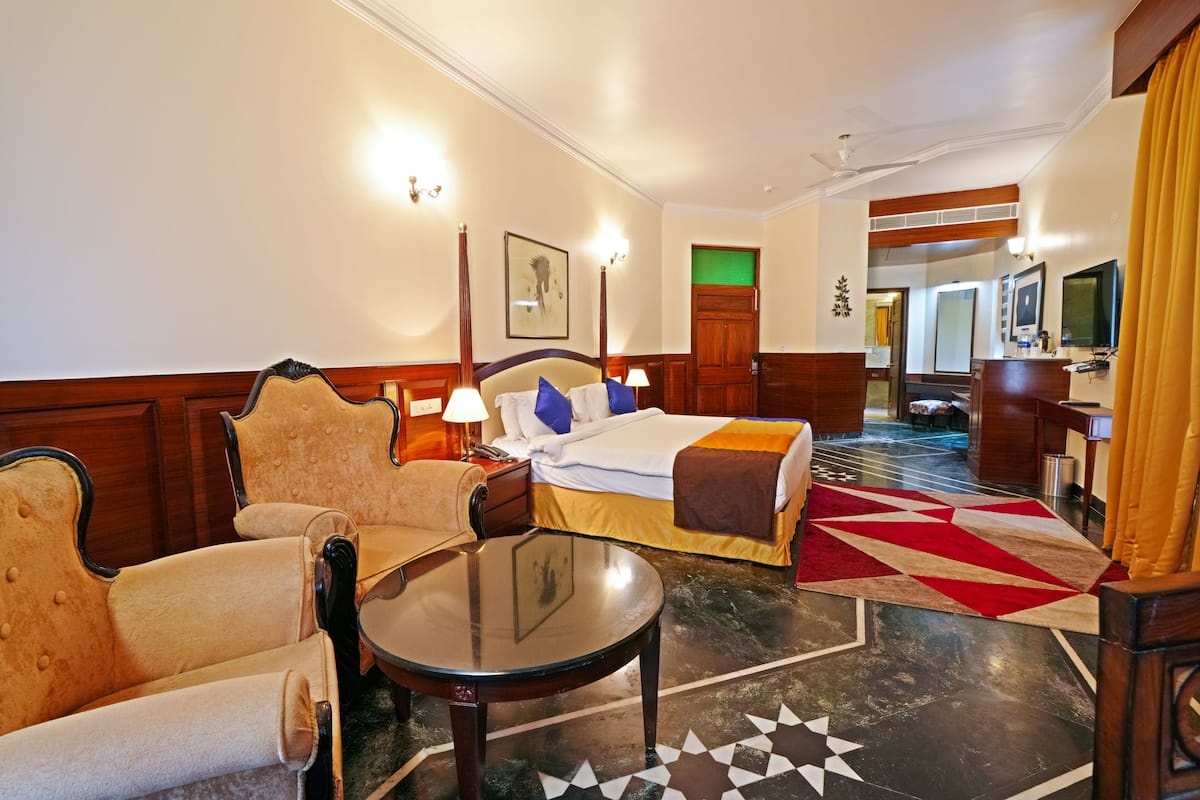
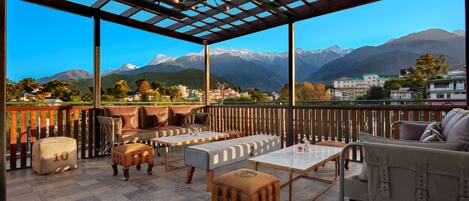
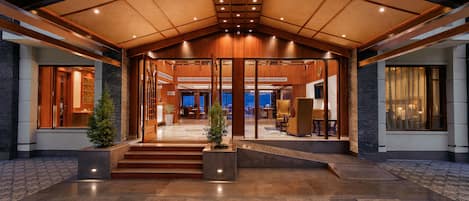
Located in the heart of Baijnath, this luxury hotel is within 3 miles (5 km) of Tashijong Buddhist Monastery, Khampagar Monastery and Baijnath Temple. Sobha Singh Art Gallery and Jawali Ji Temple are also within 9 miles (15 km).
Get instant answers with AI powered search of property information and reviews.
All reviews shown are from real guest experiences. Only travellers who have booked a stay with us can submit a review. We verify reviews according to our guidelines and publish all reviews, positive or negative.More informationOpens in a new window